
Can Classic Music Be Played on the Piano?
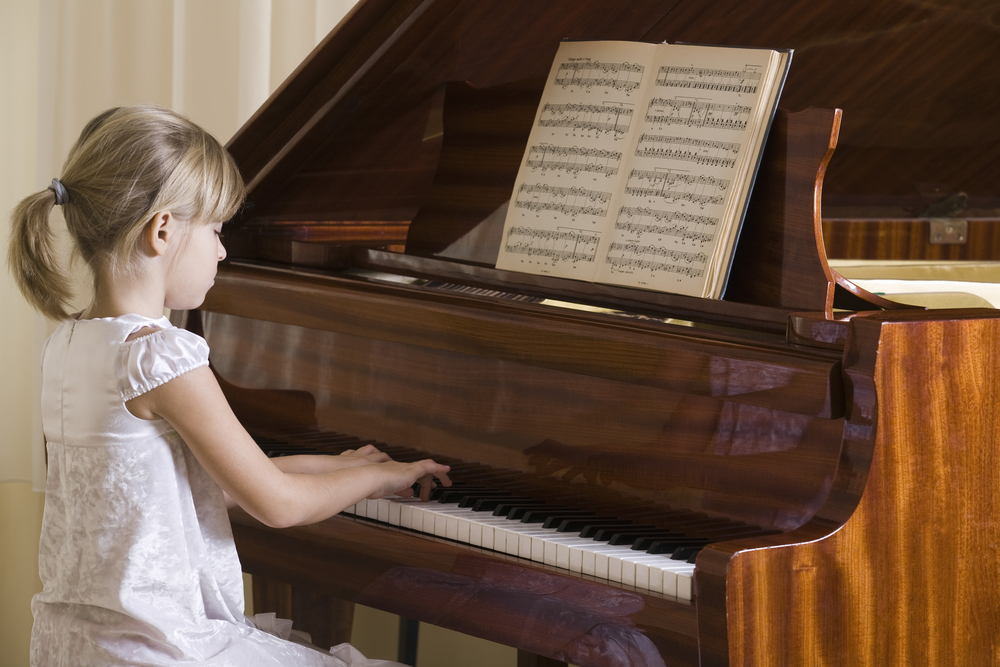
Are you a piano enthusiast looking to explore the world of classical music? You may be wondering if classical music can be played on a piano. The answer is yes! In fact, playing classical pieces on the piano is one of the most popular ways to enjoy this timeless genre. Whether you’re a beginner or an experienced pianist, there are plenty of resources available to help you get started.
If you want to learn how to play classical music on the piano, there are a few things you should consider. Firstly, it’s important to know that classical composers like Bach, Beethoven, and Chopin have all written pieces specifically for the piano. These songs showcase the beauty and complexity of the instrument in a way that no other genre can.
Learning classical piano doesn’t mean that you’ll only be playing simplistic patterns or straightforward chords. In fact, there are many advanced techniques and elements involved in performing classical music on the piano of Schimmel at Greene Music. But don’t worry – with the right tools and resources, anyone can manageably learn to perform famous compositions by these composers.
There are extensive guides available online or through affordable classes that help beginners start learning how to play classical music on the piano. Even if you’ve never played before, it is completely possible to become able to perform well-known works within minutes of practice. Playing popular songs from the classic era using different styles creates obvious note patterns which can be easily recognized by people who listen to musical notes.
Listening to examples of Beethoven’s work will give you an idea of what this means; his beautiful melodies created something entirely new back then and it’s still amazing today! So, if you’re looking for a good starting point, choosing one of Beethoven’s simple but stunning pieces might just be perfect for you.
Why Learning Classical Piano Music Will Make Me a Better Piano Player?
Classical piano music is an excellent way to develop your overall musicianship and technical skills. One of the reasons for this is that classical music demands a high level of precision, technique, and attention to detail. When you learn classical pieces, you’re required to pay close attention to every note, dynamics, articulation, and phrasing. This type of focus can help sharpen your musical memory and improve your ability to read sheet music accurately.
Another benefit of learning classical piano is that it exposes you to a wide range of styles, techniques, and composers from different eras. By exploring various pieces by Bach, Beethoven, Chopin, and other greats, you’ll gain a deeper appreciation for the evolution of music over time. You’ll also have the opportunity to practice different techniques such as trills, scales, arpeggios, and more which will enhance your finger strength, dexterity, and speed. All these benefits combined make classical piano a fantastic choice for anyone who wants to take their musical skills to new heights.
To get more info, please visit www.greenemusic.com.