
Face Lifting: Turn Back the Clock with Advanced Techniques
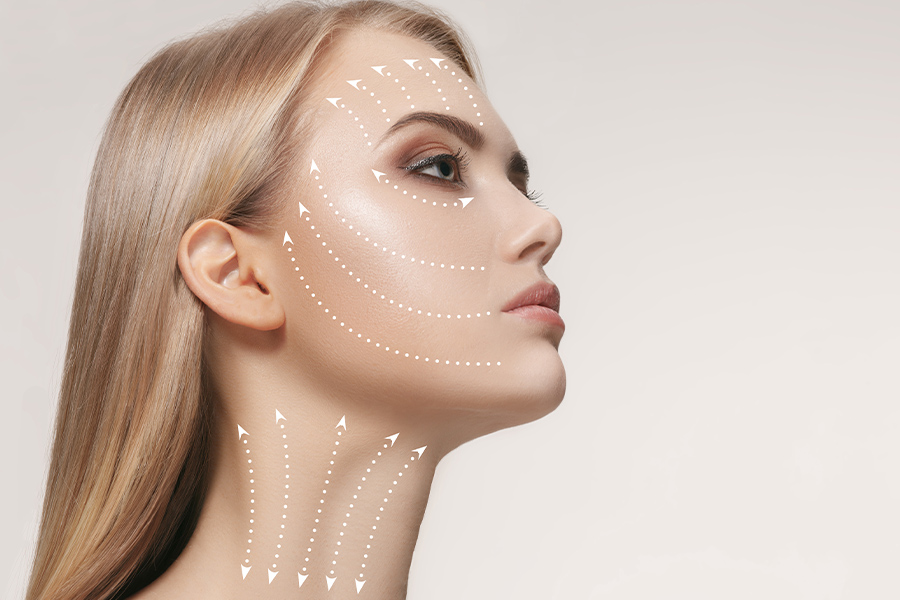
Facial aging is a natural process influenced by genetics, sun exposure, lifestyle, changes in facial fat, declining skin elasticity, and the gradual weakening of supportive tissues. Over time, these changes can contribute to sagging cheeks, jowls, loose neck skin, deeper folds, and reduced definition along the jawline.
Modern facial rejuvenation offers considerably more choice than simply tightening loose skin. Depending on the degree of aging, facial anatomy, health, expectations, and desired recovery time, treatment may involve surgery, injectable procedures, energy-based technologies, or a carefully planned combination of approaches.
People researching face lifting techniques should therefore understand the important differences between surgical facelifts and non-surgical treatments. Each has different capabilities, risks, recovery requirements, and expected outcomes.
What Is Face Lifting?
A surgical facelift, medically known as rhytidectomy, is a cosmetic procedure designed to improve visible aging of the face and often the neck. Rather than simply stretching the skin, contemporary facelift surgery generally focuses on repositioning deeper tissues and then redraping the skin with appropriate tension.
Depending on the patient’s needs, surgery may address sagging in the cheeks, jowls, loss of jawline definition, loose neck skin, displaced facial fat, and deeper folds around the lower face.
A facelift does not stop the natural aging process, nor is it designed to correct every facial concern. Surface issues such as fine lines, pigmentation, sun damage, and uneven skin texture may require separate treatments such as laser resurfacing, chemical peels, or an appropriate medical skin-care program.
This distinction is important because the most natural-looking facial rejuvenation often comes from treating different concerns according to their underlying cause rather than relying on one procedure to accomplish everything.
Why Do People Consider a Facelift?
Most people considering facial rejuvenation want to look refreshed rather than dramatically different. Sagging tissues and loss of facial definition can sometimes make a person appear more tired or older than they feel.
For patients with significant tissue laxity, surgery can provide structural improvement that injectable and energy-based procedures cannot reproduce to the same degree.
Other patients have earlier signs of aging and prefer treatments with less recovery. In these situations, options such as focused ultrasound, fillers, neuromodulators, or selected skin treatments may provide worthwhile improvements without surgery.
The important consideration is not simply whether a treatment is surgical or non-surgical. It is whether the procedure is capable of addressing the patient’s specific concern.
Traditional Facelift
A traditional facelift is generally suited to patients with more noticeable lower-face and neck aging. Incisions are typically positioned around the ear and may extend into the hairline, although their exact placement depends on the surgical technique and anatomy.
Through these incisions, the surgeon can reposition supportive tissues, address displaced fat when appropriate, and remove excess skin before carefully closing the incisions.
Modern surgery aims to avoid relying excessively on skin tension. Proper management of the deeper facial structures can help create a more balanced result while preserving the patient’s natural facial characteristics.
Choosing a surgical facelift also involves comparing the surgeon, technique, recovery plan, and whether the recommendations fit the individual patient rather than simply choosing the most extensive procedure. For New York patients researching facelift nyc options, those factors can be discussed during a consultation alongside alternatives such as limited-incision or non-surgical approaches. A qualified plastic surgeon should assess facial anatomy, medical history, goals, potential risks, and expected recovery before recommending a treatment plan.
SMAS and Deep Plane Facelift Techniques
Two terms frequently encountered when researching modern facelift surgery are SMAS facelift and deep plane facelift.
The superficial musculoaponeurotic system, or SMAS, is a supportive tissue layer beneath the skin. SMAS techniques reposition or tighten this deeper layer instead of depending primarily on skin tightening. Different surgeons may modify, lift, fold, or reposition the SMAS according to their preferred technique and the patient’s anatomy.
A deep plane facelift involves releasing and repositioning certain deeper facial tissues together. It can be particularly useful when rejuvenating the cheek, lower face, jawline, and related areas in appropriately selected patients.
Deep plane surgery has received considerable attention, but the name of a technique should not determine treatment by itself. A deep plane facelift is not automatically the best approach for every patient. Surgeon expertise, anatomy, tissue quality, aging pattern, previous procedures, health, and desired outcome all matter.
Mini or Limited-Incision Facelift
A mini facelift is generally intended for more limited signs of aging, particularly early jowling and lower-face laxity.
It typically uses shorter incisions and less extensive tissue repositioning than a comprehensive facelift. Because the procedure is more limited, recovery may also be shorter for some patients.
However, a mini facelift should not be marketed as a full facelift with an easier recovery. Its degree of correction is more limited. Patients with substantial neck laxity, advanced jowling, or widespread facial aging may require a more comprehensive procedure to achieve their goals.
Thread Lifts
Thread lifts use specially designed absorbable sutures placed beneath the skin to create a temporary lifting effect. They may offer modest improvement for carefully selected patients with mild tissue laxity.
The procedure requires less recovery than conventional surgery, but its results should not be compared directly with those of a surgical facelift.
Possible complications can include bruising, swelling, discomfort, asymmetry, visible or palpable threads, infection, skin irregularities, and unsatisfactory positioning. Proper patient selection and an experienced practitioner are therefore important even though the procedure is minimally invasive.
What Is a Liquid Facelift?
The term “liquid facelift” is commonly used for facial rejuvenation with injectable products, especially dermal fillers. Despite the name, it is not a true facelift.
Fillers can restore volume in areas such as the cheeks, temples, or selected facial contours and may soften certain folds. Neuromodulator injections may also be incorporated to reduce expression-related wrinkles in suitable areas.
Injectables can be highly useful when facial aging is primarily associated with volume loss rather than significant sagging. Excessive filler, however, can distort natural proportions. Current aesthetic planning increasingly favors strategic treatment rather than attempting to replace surgical lifting by adding progressively larger amounts of filler.
HIFU for Non-Invasive Facial Tightening
High-Intensity Focused Ultrasound, commonly referred to as HIFU, has become an established option for patients seeking non-invasive face lifting and skin tightening without surgical incisions.
The technology delivers focused ultrasound energy at controlled tissue depths, producing thermal effects that trigger a healing response and stimulate collagen remodeling.
HIFU is best understood as a skin-tightening treatment rather than a replacement for facelift surgery.
Patients with mild to moderate skin laxity are generally more likely to appreciate its benefits than those with extensive loose skin or advanced jowling. Results develop gradually because collagen remodeling takes time, and the amount of improvement varies between individuals.
Treatment may be used on areas such as the lower face, jawline, beneath the chin, and neck depending on the device, treatment protocol, and patient’s suitability.
Advantages and Limitations of HIFU
One reason for HIFU’s popularity is that it does not require surgical incisions or the recovery associated with a conventional facelift. Most patients can return to routine activities relatively quickly.
Temporary redness, tenderness, swelling, tingling, or sensitivity may occur after treatment. Less common complications have also been reported, which makes correct device settings, anatomical knowledge, and practitioner experience important.
HIFU should also be approached with realistic expectations. It can provide gradual tightening in suitable patients, but it cannot remove significant amounts of loose skin or reposition facial tissues as extensively as surgery.
A professional assessment should therefore establish whether ultrasound treatment is likely to provide enough improvement for the patient’s concern.
Combining Treatments for More Balanced Results
One of the strongest trends in facial rejuvenation is individualized treatment rather than relying on a single procedure.
For example, surgery may reposition sagging tissues while laser or other resurfacing treatments address skin texture. Carefully placed filler or fat transfer may restore volume where facial fullness has been lost. Neuromodulators can address selected dynamic wrinkles that a facelift does not directly treat.
The goal is not to perform as many procedures as possible. It is to identify which anatomical changes are responsible for an aged appearance and treat only those that meaningfully contribute to the patient’s concerns.
Who Is a Good Candidate for Surgical Face Lifting?
Good candidates for facelift surgery are generally healthy individuals with realistic expectations and facial or neck laxity that can reasonably be improved through surgery.
A consultation should review medical conditions, previous procedures, medications, supplements, allergies, smoking or nicotine use, and other factors that may affect anesthesia or healing.
Smoking is particularly relevant because nicotine can interfere with blood supply and wound healing. Patients may be asked to stop smoking and using nicotine products before and after surgery according to their surgeon’s instructions.
The decision should be based on anatomy and health rather than age alone.
Facelift Recovery and Safety
Recovery varies according to the extent of surgery, individual healing, and any procedures performed at the same time. Bruising, swelling, temporary numbness, tightness, and changes in facial sensation can occur during early healing.
Patients may have dressings and, in some cases, temporary drains. Following instructions regarding incision care, activity, medications, sleeping position, and follow-up appointments is an important part of recovery.
Potential surgical complications include bleeding or hematoma, infection, poor wound healing, unfavorable scarring, changes in sensation, fluid accumulation, facial nerve injury, asymmetry, prolonged swelling, and anesthesia-related complications.
Anyone considering surgery should discuss these risks directly with a qualified surgeon rather than basing the decision primarily on before-and-after photographs or promotional claims.
Choosing the Right Face Lifting Approach
There is no universally “best” facelift technique. There is only an approach that is more or less appropriate for a particular patient’s anatomy, health, concerns, and expectations.
Someone with substantial jowling and loose neck skin may benefit most from surgery. A person with early laxity may be better suited to HIFU or another non-surgical treatment. Someone whose primary concern is volume loss may require a completely different strategy.
A responsible practitioner should explain not only what a treatment can achieve, but also its limitations, alternatives, risks, expected recovery, and likely longevity.
Conclusion
Face lifting has evolved from simple skin tightening into a highly individualized field of facial rejuvenation. Modern options range from SMAS, deep plane, traditional, and limited-incision facelift surgery to fillers, thread lifts, and focused ultrasound treatments such as HIFU.
The most advanced treatment is not necessarily the most invasive or the newest. It is the treatment that appropriately addresses the patient’s anatomy while maintaining realistic expectations and prioritizing safety.
For people with significant facial laxity, surgical facelift techniques can provide substantial structural rejuvenation. For patients with earlier or milder concerns, non-surgical options may provide useful improvement with less recovery.
Whatever approach is being considered, consultation with an appropriately qualified and experienced medical professional remains essential. Careful assessment, realistic goals, informed consent, and an individualized treatment plan provide the strongest foundation for natural-looking facial rejuvenation.