
Medical Check Up for Work Permit: Frequently Asked Questions
Applying for a job abroad or renewing an employment contract often involves more than submitting documents and attending interviews. Many countries require a health screening before issuing or renewing a work visa. If you are preparing for a medical check up for a work permit, understanding what to expect can make the process smoother and less stressful. Below are answers to common questions to help you prepare confidently.
Why Is a Medical Examination Required?
Governments require medical screening for work permits to ensure that incoming or renewing workers are fit to perform their duties and do not pose a public health risk. These examinations help detect communicable diseases, chronic illnesses, or conditions that may require ongoing treatment.
In some cases, employers also want to ensure that workers can safely perform physically demanding tasks. The goal of a work permit medical check up is not to discriminate but to protect both the worker and the community. Early detection of certain conditions can also benefit the applicant by allowing timely medical care.
What Tests Are Usually Included?
The specific tests vary depending on the country and employer, but most standard work permit examinations include:
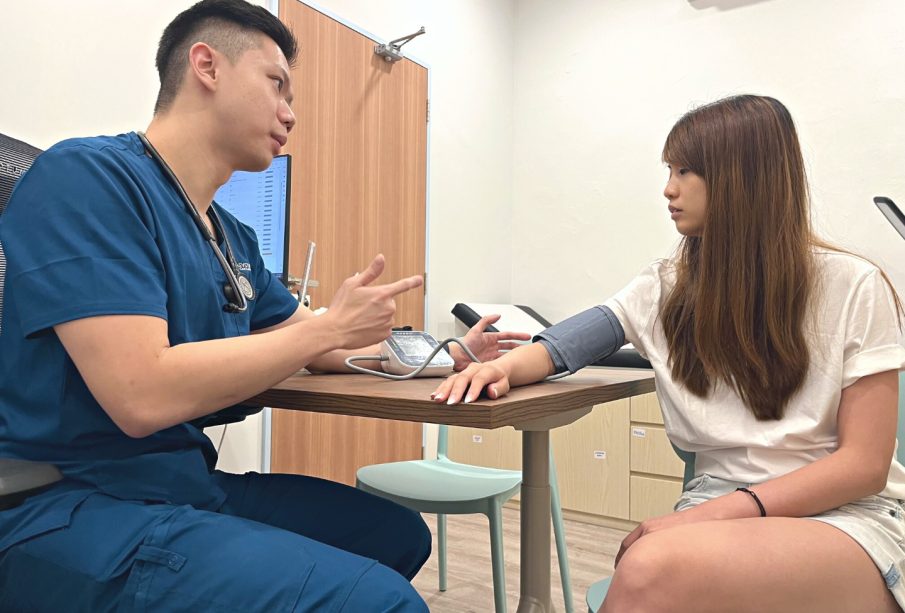
- Physical examination: A doctor checks your vital signs, such as blood pressure, heart rate, height, weight, and overall physical condition.
- Chest X-ray: This is commonly required to screen for tuberculosis or other lung conditions.
- Blood tests: These may check for infectious diseases, blood sugar levels, cholesterol, or overall health markers.
- Urine analysis: This can detect kidney issues, infections, or other abnormalities.
Some countries may also require screening for HIV, hepatitis, or drug testing, depending on regulations. It is important to verify the exact requirements with your employer, agency, or the accredited clinic handling your case.
How Should I Prepare Before the Appointment?
Preparation can help avoid delays or repeat testing. When preparing for your appointment, keep in mind the following basics:
- Get adequate sleep the night before your exam. Fatigue may affect blood pressure and other readings.
- If fasting is required for certain blood tests, follow the clinic’s instructions carefully. Typically, fasting means no food or drinks except water for 8–12 hours before the test.
- Bring all required documents, including your passport, identification, appointment confirmation, and any medical records if you have pre-existing conditions.
- Wear comfortable clothing that allows easy access for blood pressure checks or X-rays.
What Happens During the Examination?
The process is usually straightforward and organized in stations. You may begin with registration and document verification. After that, a nurse may take your vital signs and collect blood or urine samples.
A physician will then conduct a physical assessment. This includes listening to your heart and lungs, checking your abdomen, examining your eyes and ears, and asking about your medical history.
If a chest X-ray is required, you will be guided to the radiology section. The procedure is quick and painless. Most appointments are completed within a few hours, depending on the number of applicants and required tests.
What If I Have a Pre-Existing Condition?
Having a medical condition does not automatically mean your application will be denied. Many chronic illnesses, such as controlled hypertension or diabetes, are manageable and do not prevent someone from working. The key factor is whether the condition is stable and properly treated.
Be honest when filling out medical history forms. Concealing information may cause complications later if discrepancies are found. Bring prescriptions or a doctor’s certificate if you are under ongoing treatment. This helps the examining physician assess your condition accurately.
How Long Does It Take to Get Results?
Processing time varies depending on the clinic and country requirements. Some clinics provide preliminary results within a few days. Others may take a week or more, especially if laboratory testing is extensive.
In many cases, results are sent directly to the relevant embassy, immigration office, or employer. You may receive a copy for your records. If additional testing is required due to unclear results, the clinic will inform you promptly.
What Happens If I Fail the Exam?
Failing does not always mean permanent rejection. In some cases, abnormal findings simply require further evaluation. For example, an unclear chest X-ray may lead to additional imaging tests.
If a communicable disease is detected, treatment may be required before reapplication. Each country has its own health policies regarding eligibility. Understanding the guidelines ahead of time helps you manage expectations and plan accordingly.
How Often Is a Work Permit Medical Exam Required?
Some countries require a one-time exam before initial approval. Others mandate periodic re-examinations for renewal. For long-term workers, annual or biannual health checks may be necessary.
These follow-up exams ensure ongoing fitness for employment and continued compliance with immigration policies. Always check renewal timelines to avoid delays in your employment status.
Conclusion
A medical check up for a work permit is a routine but essential step in the employment process. While it may feel intimidating, it is generally a simple and structured evaluation designed to ensure safety and compliance.
By understanding the purpose, preparing properly, and being transparent about your health history, you can approach the process with confidence.
Being informed not only reduces anxiety but also helps you complete the requirements efficiently, bringing you one step closer to starting or continuing your professional journey abroad.