
How Regenerative Treatment Offers Hope for Joint Degeneration
Millions of individuals worldwide live with the reality of joint degeneration. Simple daily tasks like walking down a flight of stairs, opening a jar, or tieing shoes can turn into painful obstacles. For decades, the standard medical approach to chronic joint issues followed a predictable, reactive path. Patients usually managed early discomfort with over the counter pain relievers, progressed to cortisone injections as the pain intensified, and eventually underwent invasive joint replacement surgery once the protective cartilage wore down completely.
While these conventional approaches provide temporary relief or mechanical substitutes, they share a fundamental limitation: they treat symptoms rather than addressing the structural cause of the decline. Standard treatments do not restore the damaged tissues. Today, an evolving branch of medicine is rewriting this clinical approach. Regenerative medicine shifts the focus from managing degeneration to actively encouraging tissue restoration, offering a promising alternative for individuals seeking long term joint health.
Understanding Joint Degeneration and Its Challenges
To understand how regenerative therapies work, it is important to first look at why joints degrade and why the body struggles to repair this specific damage naturally.
Healthy joints are lined with articular cartilage, a smooth, slippery tissue that caps the ends of bones. This cartilage, combined with a lubricating fluid called synovial fluid, allows bones to glide over each other smoothly without friction while absorbing mechanical shock during physical activity.
Over time, factors such as natural aging, repetitive physical stress, excess body weight, and acute injuries can damage this protective layer. This gradual breakdown is known as osteoarthritis or degenerative joint disease. As the cartilage wears thin, the underlying bones begin to rub directly against each other. This friction leads to chronic localized inflammation, stiffness, bone spurs, and debilitating pain.
The core challenge with cartilage lies in its unique anatomy. Unlike skin, muscle, or bone, articular cartilage is avascular, meaning it does not contain blood vessels. When you cut your skin or break a bone, your blood supply delivers oxygen, essential nutrients, and specialized signaling cells directly to the site to coordinate rapid healing. Because cartilage lacks this direct pipeline, it has a very limited capacity to heal itself once damaged. Once cartilage begins to degrade, the wear and tear usually outpaces any minor self repair efforts, resulting in a continuous downward spiral.
Core Modalities in Regenerative Orthopedics
Regenerative orthopedics aims to overcome the lack of blood supply in cartilage by delivering concentrated biological healing components directly into the damaged joint environment. These therapies utilize the body’s natural signaling molecules and cellular mechanisms to modify the environment inside the joint, soothe chronic inflammation, and support tissue health.
Platelet-Rich Plasma Therapy
One of the most widely used regenerative options is Platelet-Rich Plasma therapy. The process begins with a simple blood draw from the patient’s arm. This blood sample is placed into a specialized machine called a centrifuge, which spins at high speeds to separate the different blood components based on their density.
This spinning isolates and concentrates the platelets within the liquid plasma portion of the blood. Platelets are well known for their role in blood clotting, but they also contain hundreds of specialized proteins called growth factors. These growth factors serve as chemical signals that help orchestrate tissue healing, recruit stem cells to the area, and regulate the inflammatory response.
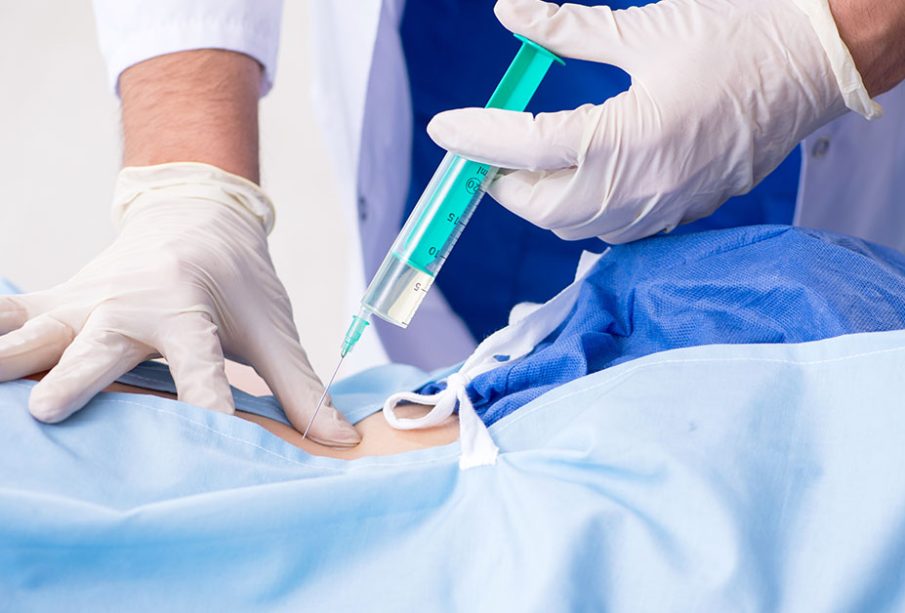
Once isolated, this concentrated plasma is injected directly into the aching joint using precise ultrasound or fluoroscopic imaging guidance. By delivering a dense concentration of growth factors into an area that normally lacks a good blood supply, the treatment helps disrupt the inflammatory cycle and supports the local tissue environment.
Cellular and Bone Marrow Concentrate Therapies
For advanced cases of degeneration, clinicians may turn to cellular therapies, often utilizing bone marrow aspirate concentrate. This procedure involves harvesting a small sample of fluid from the patient’s bone marrow, typically from the back of the hip bone.
Bone marrow is a rich source of mesenchymal signaling cells, alongside a mix of platelets, anti-inflammatory proteins, and essential progenitor cells. Just like the blood sample in Platelet-Rich Plasma therapy, this bone marrow fluid is centrifuged to concentrate the cellular elements.
When introduced into a degenerating joint, these specialized cells act like operational coordinators. They communicate with the existing joint cells, release powerful anti-inflammatory molecules, and produce specific proteins that can help protect the remaining matrix of the cartilage from further breakdown.
Key Advantages of Regenerative Protocols
The transition toward biological joint therapies offers several distinct advantages over traditional pharmaceutical management and invasive surgeries.
-
Minimally Invasive Procedures: Unlike joint replacement surgery, which requires major incisions, bone reshaping, and weeks of hospitalization, regenerative treatments are typically performed as outpatient procedures. The entire process, from harvesting the cells to the final injection, is usually completed in a couple of hours.
-
Autologous Compatibility: Because these therapies use the patient’s own blood or bone marrow, the risk of tissue rejection or severe allergic reactions is virtually eliminated. The body recognizes the injected material as its own biological tissue.
-
Targeting the Underlying Environment: Standard steroid injections offer quick, temporary pain relief by forcefully shutting down the immune response, but repeated use can actually weaken tendons and accelerate cartilage breakdown over time. Regenerative therapies aim to improve the long term health of the joint ecosystem by managing inflammation naturally.
-
Reduced Downtime and Recovery: Patients undergoing regenerative injections typically face minimal disruption to their daily lives. While surgical replacements require months of intense rehabilitation, biological injections usually require only a brief period of modified activity before patients can return to their daily routines.
Candidates for Biological Treatment Paths
Regenerative treatments are not a universal fix for every stage of joint wear, and proper patient selection is a critical factor in achieving a successful outcome.
The ideal candidates are individuals experiencing mild to moderate joint degeneration who have not found lasting relief from lifestyle changes, weight management, or physical therapy. In these early to middle stages, the joint still contains a sufficient baseline of viable cartilage tissue for the injected growth factors and signaling cells to interact with effectively.
For individuals with advanced, bone-on-bone degeneration where the cartilage has eroded completely, the potential benefits of regenerative therapies are lower. In these severe scenarios, there may not be enough healthy structural tissue left to support significant biological modification, and mechanical joint replacement may still remain the most realistic option for long term pain relief. A thorough evaluation, including detailed physical exams and advanced imaging like MRI scans, is essential to determine if a patient’s joint structure is suitable for biological therapies.
Frequently Asked Questions
How long does it take to see noticeable results after a regenerative injection?
Regenerative therapies do not provide instantaneous pain relief like a steroid injection or an anesthetic block. Because these treatments rely on natural biological processes to alter the joint environment and reduce inflammation, the timeline is gradual. Most patients begin to notice a steady reduction in joint stiffness and a gradual improvement in mobility within four to six weeks following the procedure. The benefits typically continue to build over the course of three to six months as the local tissue environment stabilizes and inflammation subsides.
Are these biological joint injections covered by standard health insurance?
Currently, most private health insurance plans and government programs like Medicare view many regenerative orthobiologic treatments, such as Platelet-Rich Plasma and bone marrow concentrate injections, as elective or investigational. Consequently, these procedures are frequently not covered, and patients usually pay out of pocket. However, because clinical data continues to demonstrate their effectiveness in reducing the need for costlier surgeries and chronic medication use, insurance coverage models are undergoing continuous re-evaluation in the medical industry.
Can regenerative treatments completely regrow a brand new joint?
It is important to maintain realistic expectations regarding modern biological therapies. While the term regenerative sounds like it implies growing entirely new cartilage from scratch, current medical technology does not regrow a pristine, brand new joint in cases of severe wear. Instead, these treatments work by stabilizing the remaining tissue, drastically reducing chronic, painful inflammation, improving the quality of the lubricating joint fluid, and preventing further structural deterioration. The goal is to maximize the function of your natural joint and relieve pain, rather than completely rebuilding the anatomy.
What does the recovery process look like immediately after the procedure?
The immediate recovery process is relatively straightforward. Patients are typically advised to rest the treated joint and limit their physical activity to basic daily tasks for the first forty-eight to seventy-two hours. It is common to experience mild soreness, localized swelling, or a feeling of fullness in the joint during the first few days, which is a normal sign that the body’s natural healing response has been activated. Patients should avoid taking anti-inflammatory medications like ibuprofen or aspirin during this early phase, as these drugs can interfere with the signaling pathways the treatment is trying to stimulate.
How many treatment sessions are typically required for joint degeneration?
The total number of required sessions depends on the specific type of therapy used, the joint being treated, and the baseline degree of degeneration. For Platelet-Rich Plasma therapy, a clinical protocol may involve a short series of two to three injections spaced a few weeks apart. For deeper cellular treatments like bone marrow aspirate concentrate, a single comprehensive injection session is often sufficient to deliver long lasting benefits. Your care team will customize the treatment frequency based on how your joint responds over time.
Is the bone marrow harvesting process for cellular therapy very painful?
The prospect of harvesting bone marrow from the hip can sound intimidating, but modern medical techniques ensure patient comfort throughout the procedure. Clinicians utilize local anesthetics to completely numb both the skin and the outer surface of the bone before extracting the fluid. Most patients report feeling a sensation of deep pressure or a brief, dull ache during the fluid draw rather than sharp pain. After the procedure, the harvest site may feel similar to a localized bruise for a few days, which can be managed easily with simple rest and standard over-the-counter discomfort relievers.