
The Science of Skin Health: A Data-Driven Guide to Formulating an Effective Daily Routine
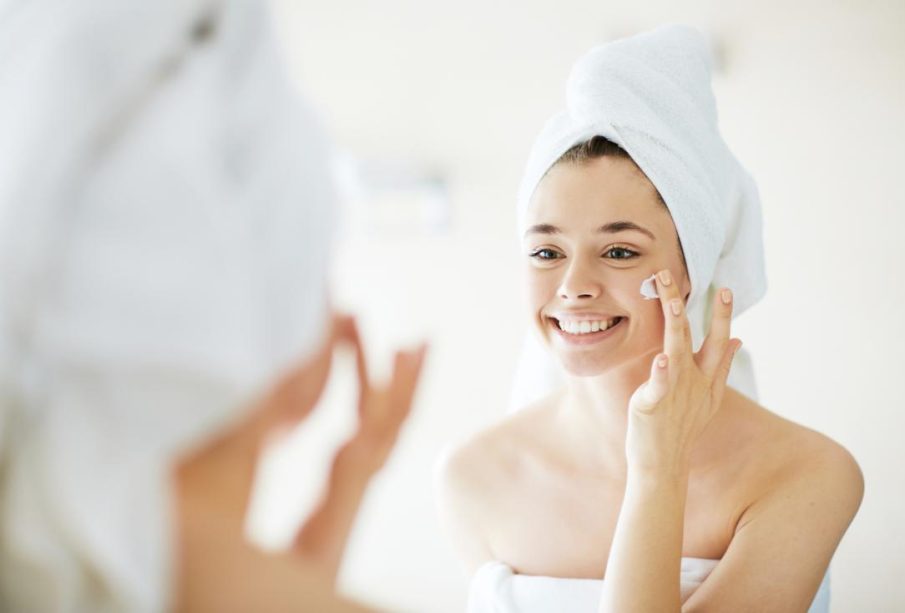
The global obsession with skin care has created an overwhelming marketplace filled with complex multi-step routines, trending ingredients, and conflicting advice. Stripping away the marketing narratives reveals that healthy skin relies on core physiological principles. Understanding how topically applied compounds interact with the cutaneous layers allows individuals to build a streamlined, highly effective regimen. This comprehensive guide breaks down the biological framework of the skin barrier, identifies clinically proven active ingredients, and outlines a structured approach to daily dermatological care.
Understanding the Cutaneous Architecture
The human skin is the largest organ of the body, acting as a dynamic physical and immunological shield. To understand how topical products work, one must first look at the basic structure of the outermost layer: the epidermis.
The top layer of the epidermis is called the stratum corneum, often described using a bricks-and-mortar analogy. The bricks are corneocytes, which are dead, flattened skin cells packed with keratin protein. The mortar consists of a continuous extracellular lipid matrix composed of ceramides, cholesterol, and free fatty acids. This complex structural arrangement forms the moisture barrier. Its primary function is twofold: keeping water inside the body via the prevention of transepithelial water loss and blocking external irritants, allergens, and pathogenic microorganisms from penetrating the deeper tissues.
Directly overlying this lipid shield is the acid mantle. This thin, fluid film has an acidic pH typically ranging from 4.5 to 5.5. The acidity is maintained by lactic acid in sweat, amino acids, and free fatty acids derived from sebum. A balanced, slightly acidic pH is absolutely vital because it controls the activity of enzymes responsible for skin shedding and barrier synthesis. It also supports the skin microbiome, a delicate ecosystem of beneficial bacteria that actively prevents harmful pathogens from colonizing the tissue surface.
When topical skin care products disrupt this biological architecture, problems arise. For example, using highly alkaline cleansing agents can elevate skin pH for several hours. This destabilization degrades the delicate lipid matrix, accelerates transepithelial water loss, and leaves the skin highly vulnerable to inflammatory conditions like eczema, contact dermatitis, and acne vulgaris.
Core Pillars of a Science-Backed Daily Routine
A scientifically sound skin care routine does not require an abundance of products. Instead, it relies on a few targeted formulations designed to support natural biological functions. A foundational regimen is divided into morning and evening phases, focusing on protection and repair respectively.
Morning Phase: Prevention and Protection
The primary goal of a morning skin care routine is to shield the cutaneous layers from environmental stressors, particularly ultraviolet radiation and particulate air pollution.
-
Cleansing: The routine begins with a mild, non-stripping cleanser to remove residual overnight sebum and metabolic waste without dissolving the essential lipids of the stratum corneum.
-
Antioxidant Support: Applying a topical antioxidant neutralizes free radicals generated by environmental exposure. Free radicals are unstable, highly reactive oxygen species that damage cellular structures, deplete collagen reserves, and accelerate premature aging.
-
Sun Protection: The final and most crucial step is the application of a broad-spectrum sunscreen. Ultraviolet radiation causes structural damage to both DNA and cellular proteins, making regular sun protection non-negotiable for skin health.
Evening Phase: Cleansing and Cellular Repair
The nocturnal phase shifts focus away from environmental defense toward cellular regeneration, barrier replenishment, and structural repair.
-
Thorough Cleansing: The evening requires complete removal of accumulated daytime pollutants, oil, and sunscreens. This is often achieved efficiently via double cleansing, using a lipid-soluble oil cleanser followed by a water-soluble gel or cream cleanser.
-
Targeted Treatment: This step introduces specific active ingredients that boost cell turnover, stimulate fibroblasts to produce collagen, or fade hyperpigmentation.
-
Moisturization: The final step involves applying an emollient or occlusive cream. This seals in moisture and provides the vital fatty acids and lipids required by the stratum corneum to rebuild its structural integrity overnight.
Active Ingredients with Proven Efficacy
The efficacy of any product depends strictly on its molecular composition and its ability to penetrate the stratum corneum. Several specific classes of compounds have consistently demonstrated measurable clinical results.
Retinoids (Vitamin A Derivatives)
Retinoids are considered the gold standard in modern dermatology due to their profound impact on cellular behavior. When applied topically, forms like retinol or retinaldehyde undergo enzymatic conversion within the skin to become retinoic acid.
Retinoic acid binds directly to specific nuclear receptors inside skin cells. This binding alters gene expression, accelerating the rate of cellular turnover in the basal layer of the epidermis. As a result, older cells are shed more rapidly, improving overall texture and evening out pigmentation. In the deeper layer, known as the dermis, retinoids block the enzymes that degrade structural tissue while simultaneously stimulating fibroblasts to synthesize fresh collagen and elastic fibers. This significantly improves the structural density, elasticity, and firmness of the skin over time.
L-Ascorbic Acid (Vitamin C)
Vitamin C is a potent, naturally occurring antioxidant that plays a vital role in structural synthesis. The most biologically active topical form is L-ascorbic acid.
L-ascorbic acid neutralizes reactive oxygen species by donating electrons to unstable molecules, effectively halting the cascade of cellular damage caused by ultraviolet light. Beyond providing environmental protection, Vitamin C is a mandatory cofactor for the enzymes responsible for stabilizing and cross-linking the collagen triple helix structure. Furthermore, it interferes with melanin production by inhibiting tyrosinase, an enzyme required to convert amino acids into dark pigment. This double action makes it highly effective at fading post-inflammatory dark spots and brightening the overall complexion.
Hydroxy Acids (AHAs and BHAs)
Chemical exfoliants work by loosening the physical bonds holding dead cells together, offering a controlled alternative to abrasive physical scrubs.
-
Alpha Hydroxy Acids: Water-soluble compounds like glycolic acid and lactic acid work primarily on the skin surface. They break down the microscopic links between corneocytes, encouraging even shedding. This process smooths rough texture and enhances surface hydration, as lactic acid also acts as a natural humectant.
-
Beta Hydroxy Acids: Salicylic acid is oil-soluble, allowing it to easily penetrate through surface sebum deep into the pores. Once inside the pore, it breaks down accumulated cellular debris and hardened oil, making it exceptionally useful for reducing blackheads, clearing congestion, and preventing acne breakouts.
Niacinamide (Vitamin B3)
Niacinamide is a highly stable, non-irritating molecule that provides broad cellular benefits. It acts as a precursor to essential coenzymes involved in metabolic energy production inside cells.
Topically, niacinamide significantly boosts the synthesis of ceramides, free fatty acids, and cholesterol within the stratum corneum, dramatically strengthening the physical moisture barrier over time. It also exhibits potent anti-inflammatory properties by suppressing pathways that trigger redness and swelling. Additionally, niacinamide regulates sebum production in the sebaceous glands and prevents the transfer of melanin packets into surface skin cells, helping to minimize visible discoloration.
Frequently Asked Questions
How long does it typically take to see visible results from a new skin care active ingredient?
Visible structural alterations in the skin require patience due to the natural timeline of cellular life cycles. A standard epidermal turnover cycle takes roughly 28 days, and this duration increases as the body ages. While basic humectants provide immediate surface plumbing, complex active ingredients like retinoids or hyperpigmentation treatments require a minimum of 8 to 12 weeks of consistent application to yield measurable changes in texture, tone, and fine lines.
Is it safe to use physical scrubs alongside chemical exfoliants like alpha or beta hydroxy acids?
Combining aggressive physical friction with chemical peeling agents significantly increases the risk of over-exfoliation and structural barrier damage. Physical scrubs often create microscopic tears in the stratum corneum, while hydroxy acids actively dissolve cellular bonds. Using both simultaneously strips away essential lipids, induces significant inflammation, disrupts the acid mantle, and leaves the cutaneous layers highly susceptible to bacterial entry and dehydration.
Why does skin sometimes experience purging when introducing certain active treatments?
Purging occurs when an ingredient accelerates the rate of cellular turnover, causing microcomedones hidden deep within the pores to mature into surface blemishes much faster than normal. This process is commonly triggered by retinoids and hydroxy acids. It is a temporary phase that generally subsides within 4 to 6 weeks. It can be distinguished from a standard negative reaction or breakout because the blemishes appear exclusively in areas where an individual normally experiences congestion.
Can using a sunscreen with a higher SPF number allow an individual to spend more hours in the sun without reapplying?
A higher Sun Protection Factor does not prolong the safe duration of sun exposure between applications. An SPF 30 sunscreen filters out approximately 97 percent of ultraviolet B radiation, while an SPF 50 filters out roughly 98 percent. Regardless of the numerical value, the protective chemical filters degrade naturally when exposed to direct sunlight, and the physical film is easily disrupted by sweat, sebum, and friction. Complete reapplication remains mandatory every two hours.
How does psychological stress impact the physical condition of the skin?
Psychological stress triggers the endocrine system to release high levels of systemic cortisol. Elevated cortisol levels stimulate the sebaceous glands to produce excess, highly viscous sebum, which increases pore congestion and fuels acne development. Furthermore, chronic stress impairs the production of structural lipids and antimicrobial peptides, which slows down the natural healing process and weakens the defense mechanisms of the moisture barrier.
What is the functional difference between skin that is classified as dry versus skin that is dehydrated?
Dry skin is a genetically determined skin type characterized by a chronic lack of natural oil production due to underactive sebaceous glands. Dehydrated skin is a temporary, treatable structural condition where the upper layers lack sufficient water content. Dehydration can affect any skin type, including very oily complexions, and is typically caused by external factors such as low environmental humidity, inadequate water intake, or harsh topical products that damage the lipid barrier.
Why should skin care formulations ideally be stored away from humid bathrooms and direct sunlight?
Many advanced active ingredients are highly sensitive to environmental degradation through oxidation and thermal instability. Exposure to direct sunlight introduces ultraviolet radiation that can rapidly break down chemical bonds, rendering compounds like L-ascorbic acid or retinol completely inert. Additionally, the high ambient heat and fluctuating humidity levels characteristic of bathrooms can compromise the preservative systems within products, encouraging the hidden growth of mold and bacteria.


