
Dental Health: A Comprehensive Guide to Maintaining a Beautiful Smile
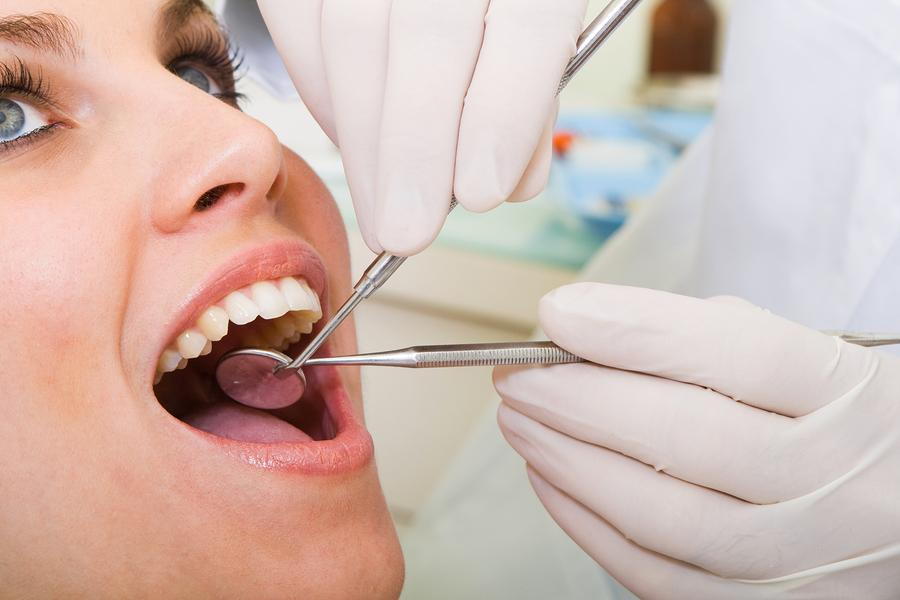
In our fast-paced world, we often take our teeth and gums for granted, assuming that brushing once a day and an occasional dentist visit will suffice. However, dental health plays a crucial role in our overall well-being. It not only affects the appearance of our smile but also influences our physical health. Poor dental hygiene can contribute to a variety of systemic conditions, such as heart disease, diabetes, and even dementia. In this article, we explore the importance of dental health, practical tips for maintaining a healthy mouth, and the latest innovations in dental care.
The Significance of Dental Health
Dental health goes far beyond having a bright, white smile. The mouth is the entry point to the rest of the body, and neglecting oral hygiene can lead to an array of health issues. Research has shown that gum disease, which is often a result of poor dental care, can lead to inflammation and infection that may spread to other parts of the body. The bacteria that thrive in unhealthy gums can enter the bloodstream, potentially affecting vital organs such as the heart.
Moreover, untreated dental problems can lead to chronic pain, tooth loss, and even self-esteem issues. As such, maintaining good dental health is essential not only for aesthetic purposes but also for long-term health and quality of life.
Common Dental Issues
-
Tooth Decay: Also known as cavities, tooth decay is one of the most common dental problems. It occurs when plaque—a sticky film of bacteria—forms on the teeth and produces acids that erode the tooth enamel. This process can lead to painful cavities, infections, and tooth loss if left untreated.
-
Gum Disease: Gum disease, or periodontal disease, begins with gingivitis, characterized by inflamed, bleeding gums. If left untreated, it can progress to periodontitis, where the infection spreads deeper into the gum tissue and bone. This can result in tooth mobility and eventual tooth loss.
-
Bad Breath: Halitosis, or bad breath, is often caused by poor dental hygiene that allows food particles to remain in the mouth, promoting bacterial growth. It can also be a sign of underlying dental issues such as gum disease, dry mouth, or tooth decay.
-
Tooth Sensitivity: Sensitive teeth are often a result of worn-down enamel or exposed roots. This condition can cause discomfort when eating or drinking hot, cold, or acidic foods. Sensitivity can also occur as a side effect of certain dental procedures or conditions such as bruxism (teeth grinding).
-
Oral Cancer: Oral cancer can affect any part of the mouth, including the lips, tongue, cheeks, and throat. Risk factors include tobacco use, heavy alcohol consumption, and human papillomavirus (HPV) infection. Early detection is key, and regular dental check-ups can help identify signs of oral cancer before it progresses.
Essential Dental Care Practices
-
Brushing Properly: The foundation of good dental hygiene is brushing your teeth at least twice a day. Use a fluoride toothpaste, as fluoride helps to remineralize tooth enamel and fight cavities. Make sure to brush for at least two minutes and cover all surfaces of your teeth, including the outer, inner, and chewing surfaces. Don’t forget to brush your tongue, as bacteria can accumulate there as well.
-
Flossing Daily: Flossing is an essential step that many people overlook. It helps to remove plaque and food particles from between the teeth and along the gum line, areas that your toothbrush can’t reach. Flossing at least once a day can help prevent gum disease and tooth decay, particularly in hard-to-reach places.
-
Regular Dental Check-ups: Even if you maintain excellent oral hygiene at home, regular visits to the dentist are vital for early detection of any issues that may not be visible or noticeable. Dentists can identify early signs of cavities, gum disease, and even oral cancer. Most professionals recommend a check-up every six months, but those with specific dental concerns may require more frequent visits.
-
Diet and Nutrition: Your diet plays a significant role in your dental health. Foods high in sugar and acid can weaken tooth enamel and promote the growth of harmful bacteria. Instead, focus on a diet rich in calcium, vitamin D, and phosphorus to strengthen teeth. Dairy products, leafy greens, and nuts are excellent sources of these nutrients. Drinking plenty of water throughout the day is also essential for keeping the mouth hydrated and helping to wash away food particles.
-
Avoiding Tobacco Products: Tobacco use is one of the leading causes of gum disease, tooth loss, and oral cancer. Smoking and chewing tobacco can cause the gums to recede, stain teeth, and reduce blood flow to the mouth, which hinders the healing process. Quitting tobacco use can dramatically improve both your dental and overall health.
-
Using Mouthwash: An antimicrobial mouthwash can help kill bacteria, reduce plaque buildup, and freshen breath. Choose a mouthwash that contains fluoride for added protection against cavities. Rinsing with mouthwash can be a quick and effective way to complement your brushing and flossing routine.
Innovations in Dental Care
In recent years, technological advancements in dentistry have transformed the way dental professionals diagnose and treat oral health issues. One of the most notable innovations is teeth whitening treatments. While over-the-counter products are available, professional whitening provides more lasting results and is safer for tooth enamel.
Digital Impressions have replaced traditional molds, offering a quicker, more comfortable process for creating crowns, bridges, and other dental appliances. This technology eliminates the need for messy, uncomfortable impressions and reduces the time required to complete restorative procedures.
Laser Dentistry is another breakthrough, offering a more precise and minimally invasive approach to procedures such as cavity treatment, gum reshaping, and even teeth whitening. Lasers allow for faster recovery times and reduced discomfort compared to traditional methods.
Invisalign has also revolutionized orthodontics by offering an alternative to traditional metal braces. These clear, removable aligners gradually shift the teeth into proper alignment without the need for metal brackets or wires. Invisalign provides a more aesthetic and convenient option for individuals looking to straighten their teeth without drawing attention to their braces.
Conclusion
Dental health is a vital aspect of our overall well-being, and maintaining a healthy mouth requires consistent effort and attention. By adhering to a daily oral hygiene routine that includes proper brushing, flossing, and regular dental check-ups, we can significantly reduce the risk of common dental issues such as cavities, gum disease, and tooth sensitivity. In addition, staying informed about the latest advancements in dental care ensures that we can benefit from the most effective treatments available.
Remember, your smile is often the first thing people notice, and taking care of your teeth and gums is an investment in your health and self-esteem. Don’t neglect your dental health; after all, a beautiful, healthy smile is not only a reflection of your physical health but also a testament to the care and attention you give to yourself.

How Sports Dentistry Protects Athletes from Permanent Damage
February 10, 2026
Emergency Dentistry: What Constitutes a Real Dental Emergency?
January 12, 2026
Comments are closed.
-

Science of Magnetic Retractable Barriers
November 24, 2022 -

What You Need To Know About Vitamin C and Kidney Stones
December 15, 2022 -

Steroids those are legal in Australia and purchasing options
November 28, 2017
Latest Posts
-

The Air Inside a Factory Is a Maintenance Problem, Not a Comfort One
September 29, 2026 -

Dr. Larry Davidson on What to Know About Preparing for Spine Surgery
September 18, 2026 -

-

10 Easy School Project Ideas
August 24, 2026
Recent Posts
- How Kasey McKillip Builds Routines Around Shift-Based Healthcare October 5, 2026
- The Air Inside a Factory Is a Maintenance Problem, Not a Comfort One September 29, 2026
- Dr. Larry Davidson on What to Know About Preparing for Spine Surgery September 18, 2026
- The Complete Guide to Dental Emergencies: How to Handle Cracked, Chipped, or Knocked-Out Teeth September 2, 2026
- 10 Easy School Project Ideas August 24, 2026
- How Dance-Based Workouts Improve Coordination and Balance June 19, 2026
- Why Yoga Is the Perfect Complement to Heavy Strength Training May 15, 2026