Emergency Dentistry: What Constitutes a Real Dental Emergency?
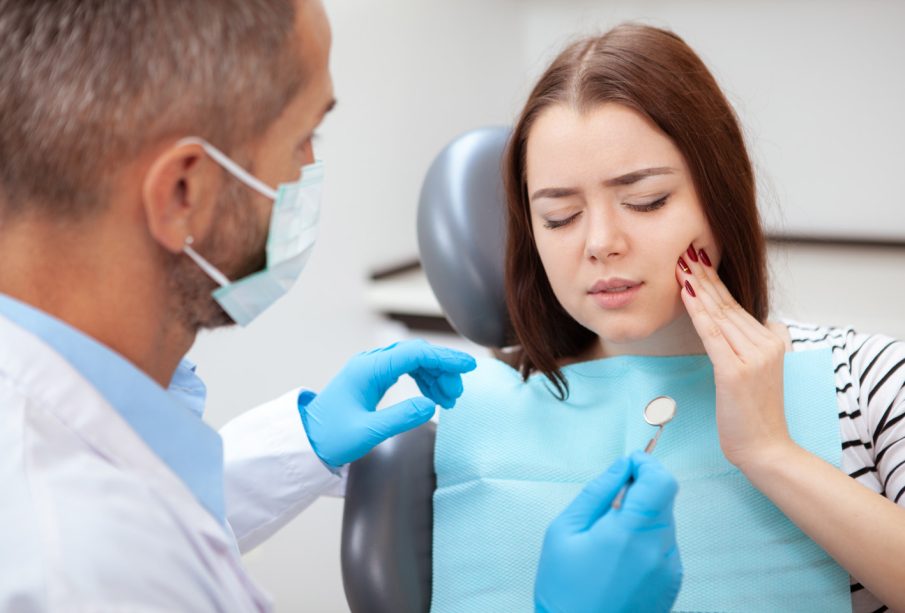
Dental issues rarely happen at a convenient time. A sudden ache, a chipped tooth, or a loose filling can cause immediate panic, leaving you wondering whether you need to rush to an urgent care clinic or wait until standard office hours. Distinguishing between a routine dental issue and a true medical emergency is critical. Making the correct distinction ensures you receive timely care when every minute counts, while also helping you avoid unnecessary, costly trips to the emergency room.
Understanding what constitutes an actual emergency helps you protect your oral health and manage unexpected situations with confidence. This guide breaks down the clear differences between urgent and non-urgent dental situations, offers actionable steps for immediate home care, and outlines what to expect during a crisis visit.
Defining a True Dental Emergency
A true dental emergency involves an issue that requires immediate treatment to save a tooth, stop severe and ongoing bleeding, alleviate debilitating pain, or treat a severe infection that threatens your overall health. If a condition can wait twenty-four to forty-eight hours without causing permanent damage or systemic illness, it is generally classified as an urgent or routine matter rather than a critical emergency.
To evaluate your situation quickly, ask yourself the following foundational questions:
-
Is the pain severe, constant, and unmanageable with over the counter medication
-
Have you lost a permanent tooth due to sudden physical trauma
-
Do you have loose permanent teeth as an adult
-
Is there active, continuous bleeding from your gums, tongue, or cheeks that will not stop
-
Do you have noticeable swelling in your face, jaw, or neck area
-
Are there signs of a systemic infection, such as a high fever or difficulty swallowing
If you answered yes to any of these questions, you are likely dealing with a situation that requires immediate professional evaluation.
Common Critical Dental Emergencies
Several specific clinical scenarios demand immediate dental intervention. Recognizing these conditions early can prevent minor complications from escalating into severe health problems.
Knocked-Out Permanent Tooth
A knocked-out or avulsed tooth is one of the most time-sensitive emergencies in oral healthcare. When a tooth is completely dislodged from its socket, the delicate tissues, blood vessels, and nerves supporting it are severed. The primary goal is to keep these cells alive so a clinician can successfully replant the tooth. The window of opportunity is narrow, usually requiring intervention within thirty to sixty minutes of the injury.
Severe, Throbbing Toothaches
A mild, intermittent ache might indicate a cavity or a minor gum issue that can wait for a regular appointment. However, a constant, throbbing, and excruciating pain that keeps you awake at night is a signal that something is seriously wrong. This type of pain often stems from deep decay reaching the inner nerve chamber of the tooth or a severe infection within the root system.
Advanced Dental Abscess
An abscess is an accumulation of pus caused by a bacterial infection. It can form at the root tip or in the gums surrounding the tooth. An abscess is a critical emergency because the infection will not disappear on its own and can spread to the jawbone, surrounding tissues, and into the bloodstream. Signs of an advanced abscess include a painful, pimple-like bump on the gums, a foul taste in the mouth, swollen lymph nodes, and facial swelling.
Fractured or Broken Jawbone
Physical trauma from sports injuries, car accidents, or falls can result in a fractured or dislocated jaw. This condition significantly compromises your ability to breathe, speak, eat, or swallow safely. If you suspect your jaw is broken, you must seek immediate attention, often at a hospital emergency room rather than a traditional dental office.
Situations That Can Wait: Non-Urgent Dental Issues
Many uncomfortable dental problems feel like emergencies but do not require immediate after-hours care. Understanding these distinctions helps preserve emergency resources for patients who need them most.
Lost or Dislodged Fillings and Crowns
Losing a crown or a filling can cause sudden sensitivity to hot and cold temperatures because the underlying layer of the tooth is exposed to air and food particles. While this can be uncomfortable and frustrating, it rarely constitutes an immediate emergency. You can typically wait a day or two to see your practitioner. In the meantime, keeping the area clean and avoiding chewing on that side of your mouth will protect the tooth from further structural damage.
Minor Chips or Superficial Cracks
A small chip or a minor surface fracture on an anterior tooth might affect the appearance of your smile, but it is not a medical crisis unless it is accompanied by severe pain or sharp edges that actively lacerate your tongue and cheeks. A professional can easily smooth down or bond the tooth during normal working hours.
Mild Sensitivity and Dull Aches
Temporary sensitivity when consuming hot or cold beverages usually indicates early decay, thinning enamel, or minor gum recession. This type of discomfort is a sign to schedule a routine cleaning and exam, but it does not justify an emergency call.
Immediate First Aid Actions for Dental Emergencies
Knowing what to do in the first few minutes following an injury can mean the difference between saving and losing a tooth. Follow these practical steps while you are actively contacting a local dental clinic.
-
For a knocked-out tooth: Handle the tooth strictly by the crown, which is the chewing surface. Never touch the root, as this can damage the sensitive cells needed for reattachment. Gently rinse the tooth with clean water if it is dirty, but do not scrub it or use chemicals. Attempt to place the tooth back into its socket facing the correct way. If that is not possible, place the tooth in a small container of milk or a specialized cell preservation solution. Do not store the tooth in plain tap water.
-
For an intense toothache: Rinse your mouth thoroughly with warm saltwater to clear away debris. Gently use dental floss to ensure no hard food particles are wedged between the teeth. Do not place an aspirin directly against the gums or the aching tooth, as the acid can cause chemical burns on your soft tissues.
-
For soft tissue lacerations: If your tongue, lips, or cheeks are bleeding, rinse with clean water and apply direct pressure using a clean piece of gauze or a damp tea bag. Hold the pressure consistently for fifteen minutes. Apply a cold details compress to the outside of your mouth to reduce localized swelling.
-
For a cracked or broken tooth: Collect any broken fragments of the tooth and save them. Rinse your mouth with warm water to cleanse the area and remove blood or dirt. If the remaining tooth structure has a sharp edge, cover it with a piece of temporary dental wax or sugarless chewing gum to prevent soft tissue lacerations.
What to Expect at an Emergency Dental Visit
When you arrive at a clinic for an urgent visit, the immediate priority is to triage your condition, stabilize your pain, and eliminate acute danger. The clinical team will work quickly to diagnose the root cause of the crisis.
First, the clinician will perform a targeted examination and take digital radiographs to view the internal structures of your teeth and jawbone. Once the diagnosis is clear, the primary focus shifts to pain management, which may include local anesthesia or prescription medications.
Depending on the underlying issue, immediate treatments might involve an emergency root canal to remove infected nerve tissue, an extraction if a tooth is damaged beyond repair, or the surgical drainage of an abscess. If the infection has caused systemic symptoms, the provider may prescribe a course of oral antibiotics to prevent the bacteria from spreading further into your system.
Frequently Asked Questions
Can I go to a hospital emergency room for a toothache?
Hospital emergency rooms are generally not staffed or equipped with the specific instruments required to perform definitive dental procedures like root canals, fillings, or extractions. If you visit an emergency room for a toothache, the medical staff will evaluate you to ensure there is no systemic danger, manage your pain, and potentially prescribe antibiotics. They will then refer you to a dentist for the actual treatment. You should go straight to the emergency room if you experience severe facial swelling that impacts your breathing or swallowing, or if you suspect a broken jawbone.
What should I do if a permanent tooth becomes loose but does not fall out?
A loose permanent tooth in an adult is a serious matter that requires prompt professional attention. This can happen due to localized physical trauma or advanced periodontal disease. Avoid touching, wiggling, or biting down with the loose tooth, as this can further damage the supporting ligaments. Contact a dental practice immediately so they can evaluate the stability of the root and potentially splint the tooth to adjacent stable teeth while it heals.
How can I distinguish between a regular toothache and a sinus infection?
The roots of your upper teeth sit very close to your maxillary sinus cavities. When these sinuses become inflamed or infected due to allergies or a cold, the increased pressure can press directly against the dental nerve pathways, mimicking a severe toothache. Sinus-induced dental pain typically affects multiple upper teeth simultaneously rather than a single spot. It is often accompanied by nasal congestion, a headache, and increased discomfort when you bend forward or move your head quickly. A localized dental infection usually centers on one specific tooth and causes throbbing pain regardless of your body position.
Is a broken orthodontic wire or bracket considered a real dental emergency?
A broken bracket or a poking orthodontic wire is generally considered an urgent issue rather than a true emergency. If the wire is causing pain or cutting into your cheeks, you can use the eraser end of a pencil to gently push it into a more comfortable position, or cover the sharp tip with orthodontic wax. Contact your orthodontist during regular hours to have the appliance repaired. If the wire is completely displaced and causes continuous bleeding or a choking hazard, seek immediate care.
What happens if I choose to ignore a dental abscess?
Ignoring a dental abscess can lead to life-threatening medical complications. The infection causing the abscess will not resolve without intervention. Over time, the trapped bacteria can destroy the surrounding jawbone and find its way into the deep fascial spaces of the face and neck. This can lead to a severe condition known as Ludwig’s angina, which can block the airway. The bacteria can also enter the bloodstream, causing sepsis, a systemic inflammatory condition that requires emergency hospitalization.
Can a cracked tooth always be saved if I seek immediate treatment?
Whether a cracked tooth can be saved depends entirely on the location, direction, and depth of the fracture. If the crack is superficial or only affects the crown of the tooth, a practitioner can often restore it with a root canal and a protective crown. However, if the crack extends vertically down past the gumline and into the root system structure, the tooth cannot be saved. In these instances, the clinician must extract the tooth to prevent infection and discuss tooth replacement options like dental implants or bridges.
How can I protect my teeth from emergency traumatic injuries during sports?
The most effective way to prevent traumatic oral injuries during physical activities is to wear a professionally fabricated athletic mouthguard. Custom-made mouthguards provide a precise fit that absorbs impact energy, distributing the force evenly across your teeth and jaw. This significantly reduces the risk of knocked-out teeth, jaw fractures, and lip lacerations compared to over-the-counter alternatives. Use a mouthguard during any contact sports or activities with a high risk of falls, such as skateboarding or cycling.