
Is Pulmonary Rehabilitation Safe for Seniors With COPD?
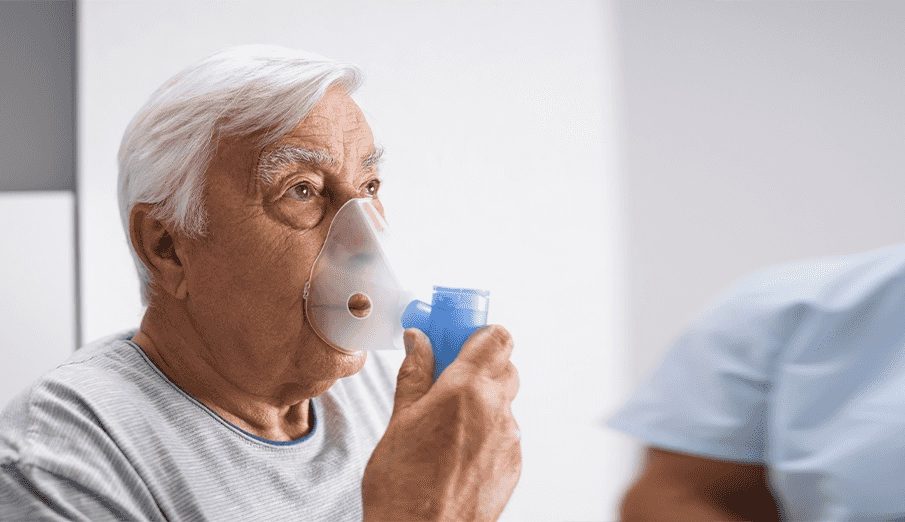
Pulmonary rehab can sound intimidating to seniors with COPD, especially when breathing already feels like a daily workout. But when it’s prescribed by a clinician and delivered by a qualified rehab team, pulmonary rehabilitation is widely considered a structured, supervised program designed to improve safety, stamina, and confidence.
Many seniors in assisted living communities also explore pulmonary rehab because it offers guided exercise and education without the “push harder” vibe that can feel risky with lung disease. The key is that pulmonary rehab is not a boot camp—it’s a carefully paced plan built around a senior’s symptoms, oxygen needs, and medical history.
What Pulmonary Rehabilitation Looks Like for Seniors With COPD
Pulmonary rehabilitation typically combines supervised exercise, breathing techniques, education, and coaching that helps seniors handle COPD symptoms more calmly and effectively. A rehab team often includes respiratory therapists, physical therapists, nurses, and clinicians who track progress and adjust the plan based on how the senior responds. Exercise may include gentle walking or cycling, light strength training for legs and arms, and stretching to reduce stiffness that can make breathing feel harder.
Education usually covers inhaler technique, how to recognize early warning signs of flare-ups, how to conserve energy during daily tasks, and strategies that reduce panic during shortness of breath. Because COPD affects both the lungs and overall endurance, pulmonary rehab often focuses on building functional strength—helping seniors walk farther, climb steps more safely, and complete daily routines with less breathlessness.
Safety Measures That Protect Seniors During Pulmonary Rehab
Pulmonary rehab is designed with safety built in, which is why many clinicians recommend it for seniors who worry about overexertion. Sessions are typically monitored, meaning heart rate, oxygen saturation, blood pressure, and symptoms can be checked before, during, and after activity. If a senior uses supplemental oxygen, the team factors that into the plan, including flow settings and rest breaks.
Exercise intensity is usually increased slowly, and the program is adjusted for joint pain, balance concerns, heart conditions, or fatigue. Seniors are taught pacing skills, controlled breathing methods such as pursed-lip breathing, and how to use rest strategically instead of waiting until symptoms spiral. The goal is not to “push through” breathlessness, but to build tolerance in a way that reduces risk, lowers anxiety, and helps seniors feel more in control of their bodies.
Who Should Be Cautious and What to Discuss With a Doctor First
Even though pulmonary rehab is generally considered safe, some seniors should take extra precautions and get clear medical guidance before starting. Seniors with unstable heart conditions, uncontrolled high blood pressure, recent severe COPD exacerbations, significant dizziness, or new chest pain should be evaluated first, because those issues may require stabilization before exercise begins. Seniors should also discuss recent hospitalizations, oxygen needs, medication changes, and any history of fainting or falls.
A clinician may recommend testing, such as a walking test or lung function assessment, to set safe starting levels. It also helps to clarify what symptoms should trigger a pause or a call to the care team, such as unusual wheezing, swelling in the legs, fever, or a sudden change in sputum color and volume. When seniors and clinicians treat rehab as a medical program—not a generic fitness class—safety improves, and progress tends to feel steadier and more reassuring.
Benefits That Make Pulmonary Rehab Worth Considering for Seniors
For many seniors with COPD, pulmonary rehab can improve daily life in practical, noticeable ways, even when lung function numbers do not dramatically change. Seniors often report less shortness of breath during routine tasks, better stamina for walking, and more confidence about leaving the house or being active without fear. Rehab also helps seniors understand triggers, use inhalers correctly, and respond sooner to worsening symptoms, which can reduce the chance of emergencies.
The emotional benefit matters too: COPD can create a cycle where fear of breathlessness leads to inactivity, and inactivity leads to weaker muscles and even more breathlessness. Pulmonary rehab aims to break that cycle by strengthening the body, teaching coping tools, and building trust in safe movement. For seniors, that can mean more independence, fewer “bad breathing days,” and a stronger sense of control over COPD instead of feeling controlled by it.
Conclusion
Pulmonary rehabilitation is generally safe for seniors with COPD when it is medically guided, supervised, and tailored to individual needs. With careful monitoring and a gradual approach, many seniors can improve stamina, reduce breathlessness, and feel more confident managing symptoms. A clinician’s clearance and a rehab team’s support help ensure the program stays safe, comfortable, and truly beneficial.