Mastering Advanced Backbends with a Yoga Wheel: A Deep Dive into Flexibility and Alignment

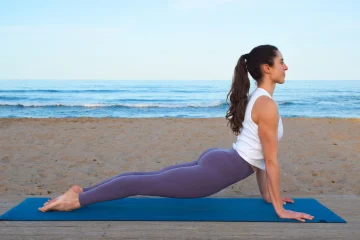
Backbends are often viewed as both intimidating and transformative within the yoga practice. For experienced yogis seeking to take their spinal flexibility and heart-opening postures to the next level, the yoga wheel has become an indispensable prop. Not only does it deepen access into advanced asanas, but it also ensures safety and alignment—two essentials for long-term progress.
Designed to support the natural curvature of the spine, the yoga wheel is a versatile tool that bridges gaps in flexibility while enhancing mobility. This article explores advanced backbend techniques, safety protocols, and flow structures that leverage the yoga wheel for profound heart openers.
Understanding the Anatomy of a Backbend
Before diving into advanced postures, it’s vital to appreciate the physiological components of a safe backbend. These poses do more than bend the spine—they involve the:
- Thoracic spine (upper back)
- Hip flexors and psoas
- Shoulders and chest
- Quadriceps and abdominal wall
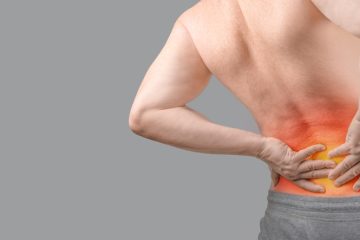
When tension or restriction exists in one of these regions, practitioners often compensate by overextending the lumbar spine, increasing the risk of injury. The yoga wheel facilitates gradual opening across multiple muscle groups, distributing the bend evenly.
Preparing the Body: Essential Warm-Ups
For advanced practitioners, skipping warm-ups is not an option. These sequences should prepare the fascia, joints, and muscle fibres for sustained and controlled extension:
🔹 Dynamic Warm-Ups
- Sun Salutations (Surya Namaskar) to activate the spine
- Cat-Cow with breath for spinal articulation
- Lunges with twists to open hip flexors
🔹 Targeted Wheel Warm-Ups
- Wheel-assisted Puppy Pose: Opens shoulders
- Supported Low Lunge with Wheel: Preps the iliopsoas
- Seated Wheel Rolls: Massage the thoracic spine
This approach primes the body and mind for deeper engagement, while building proprioceptive awareness.
Top 5 Advanced Backbend Techniques Using the Yoga Wheel
- Wheel-Supported Kapotasana (King Pigeon Pose)
One of the deepest backbends in the yoga repertoire, Kapotasana becomes more accessible with the yoga wheel.
How-To:
- Kneel with the wheel behind the back
- Arch backwards and rest the upper spine onto the wheel
- Reach arms overhead and grab the wheel for stability
Benefits:
- Opens the chest and shoulders
- Strengthens glutes and back muscles
- Promotes spinal decompression
- Full Wheel Pose (Urdhva Dhanurasana) with the Yoga Wheel
Adding a yoga wheel beneath the sacrum offers height and alignment to this dynamic pose.
How-To:
- Lie back with the wheel at the lumbar spine
- Press palms and soles into the mat
- Push into the wheel while lifting the chest and pelvis
Pro Tip: Engage inner thighs to avoid flaring knees.
- Scorpion Backbend Variation with the Wheel
This pose requires both spinal and shoulder flexibility, combined with core stability.
How-To:
- Begin in Forearm Stand
- Place the feet on the wheel for balance
- Gradually bend knees and arch the spine
Caution: Practice this near a wall or with a spotter to ensure safety.
- Dancer’s Pose (Natarajasana) Wheel Variation
Using the wheel enhances balance and increases range in the shoulder joint.
How-To:
- Hold the wheel with both hands behind you
- Insert one foot into the inner rim
- Pull the foot upward while extending the opposite arm forward
Focus: Core engagement and gaze (drishti) for stability.
- Bridge to Wheel Roll Transition
This advanced flow improves spinal fluidity and full-body control.
How-To:
- Begin in Bridge Pose with the wheel under the sacrum
- Roll forward and back using breath control
- Transition into a backbend with minimal hand assistance
Common Mistakes and How to Avoid Them
Advanced yogis can still fall into subtle misalignments. Watch out for:
- Overarching the lower back without engaging the core
- Collapsing shoulders in overhead arm positions
- Forcing depth instead of exploring consistency
Instead, approach each pose with mindfulness, using the wheel to guide rather than override your body’s limits.
Integrating Wheel-Based Backbends into Your Flow
Adding a yoga wheel to your regular practice doesn’t mean replacing foundational work—it means enhancing it. Consider the following:
Weekly Integration Plan
- Day 1: Wheel-assisted warm-ups only
- Day 3: Incorporate one deep wheel pose post-flow
- Day 5: Dedicated backbend practice session
This structured exposure builds strength, resilience, and familiarity with the prop’s tactile feedback.
Why Experienced Yogis Are Turning to the Wheel
Advanced yoga practice is about evolution, not just intensity. The yoga wheel supports progression by:
- Reducing injury risk
- Encouraging muscular balance
- Elevating mental focus through new sensations
Studios such as Yoga Edition have introduced curated wheel yoga classes that cater to all levels, creating an inclusive yet challenging environment where tools like these are used with purpose and integrity.
Frequently Asked Questions (FAQ)
❓ Can I use the yoga wheel every day?
Yes, but balance is key. Focus on recovery and vary the intensity across sessions.
❓ Is it safe to attempt advanced poses without a teacher?
While experienced practitioners may explore on their own, guidance is always recommended for peak postures.
❓ What’s the difference between a yoga wheel and a foam roller?
A yoga wheel is firmer, broader, and more stable—ideal for active movement and deep stretches rather than passive massage.
❓ How long does it take to see progress?
Consistency over 4-6 weeks typically yields visible and sensory improvements in depth and control.
Final Word
The yoga wheel is not just another trend—it’s a refined tool that complements the complexity of advanced backbending. Through anatomical awareness, deliberate flow, and structured training, yogis can enhance their flexibility, alignment, and overall body wisdom.
Whether you’re refining your Kapotasana or exploring a scorpion variation, the yoga wheel invites you into a deeper, more conscious relationship with your spine and breath. Embrace the wheel, not for shortcuts—but for insight.