
Things Patients Should and Shouldn’t Do Before and After Plastic Surgery
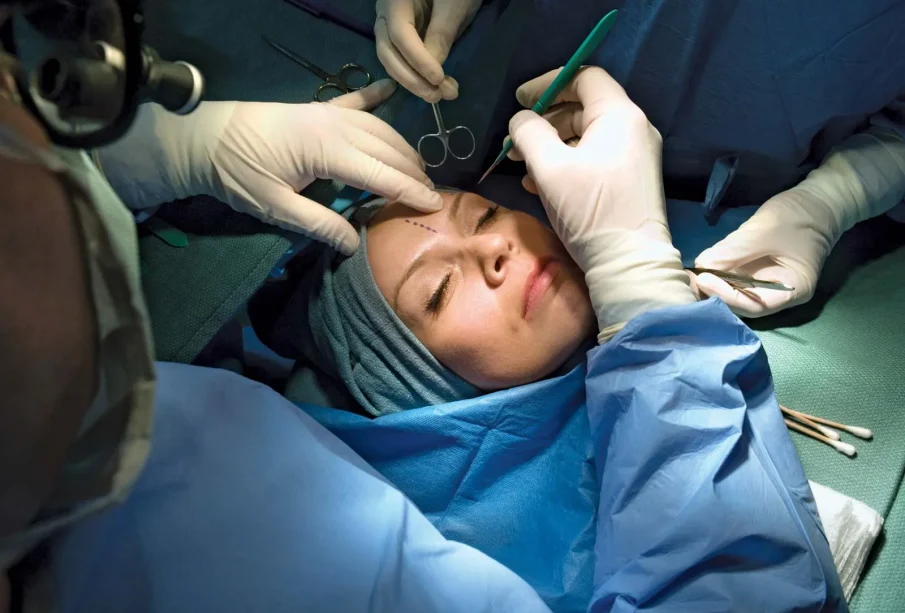
Plastic surgery can be an important personal decision, whether the goal is cosmetic improvement, reconstruction, or addressing a specific physical concern. Although procedures vary considerably in complexity, surgical plastic surgery should be approached with the same careful preparation expected for other medical procedures.
Successful recovery does not depend on the surgeon alone. Patients also play an important role by providing accurate health information, following preoperative instructions, planning appropriately for recovery, and reporting unexpected symptoms promptly.
Anyone exploring different plastic surgery options should remember that instructions can vary according to the procedure, type of anesthesia, medical history, medications, and individual risk factors. General advice can be useful, but the instructions provided by your own surgeon and anesthesia team should always take priority.
Before Plastic Surgery: What Patients Should Do
Choose a Qualified Surgeon and Appropriate Surgical Facility
Preparation starts before the procedure is scheduled. Patients should understand who will perform the surgery, where it will take place, what type of anesthesia may be used, and how postoperative care is handled.
Ask questions about the surgeon’s qualifications, experience with the specific procedure, expected outcomes, possible complications, recovery requirements, and what happens if additional medical care is needed. Surgical procedures should be performed in an appropriately licensed or accredited setting with suitable equipment and emergency procedures.
Choosing where to have a procedure is another part of preparing carefully. Patients can review a practice’s available procedures, consultation approach and follow-up information before deciding what questions to discuss with their surgeon; for those researching options in Springfield, Illinois, https://www.prairieaesthetics.
Patients should also make sure their expectations are realistic. Plastic surgery can change physical features, but no ethical surgeon can promise perfection or guarantee a particular result.
Share Your Complete Medical History
One of the most important things patients can do is provide complete and accurate health information.
Tell your surgical team about medical conditions, previous operations, allergies, past reactions to anesthesia, sleep apnea, bleeding problems, and any changes in your health since your original consultation.
Your surgeon and anesthesia team should also know about every prescription medicine, over-the-counter medication, vitamin, herbal product, and dietary supplement you use.
Do not leave something out simply because it seems unimportant. A supplement, recreational substance, or medication that appears unrelated to plastic surgery could affect anesthesia, bleeding, blood pressure, heart rate, or recovery.
Stop Smoking and Discuss All Nicotine Use
Smoking can increase surgical and anesthesia-related risks. It can reduce blood flow to tissues, interfere with wound healing, and increase the risk of respiratory and wound complications.
Patients who smoke should tell their surgeon honestly and follow the recommended cessation plan.
Nicotine deserves particular attention in plastic surgery because many procedures rely heavily on good blood circulation to healing tissues. This means patients should also discuss vaping, nicotine pouches, patches, gum, and other nicotine-containing products rather than assuming they are automatically acceptable substitutes.
Do not independently switch to a nicotine replacement product immediately before surgery without discussing it with the surgical team.
Review Medications Instead of Stopping Them Yourself
Older advice sometimes tells patients simply to stop aspirin, anti-inflammatory drugs, blood thinners, or other medications before surgery. Modern perioperative care is more individualised.
Some medicines can increase bleeding or interact with anesthesia, but suddenly stopping certain prescription medications can also create serious risks.
The safest approach is simple: give the medical team a complete medication list and follow their specific instructions about what to continue, adjust, or temporarily stop.
Never discontinue prescribed anticoagulants, heart medication, diabetes medication, psychiatric medication, or other important treatments solely because of general advice found online.
Discuss Vitamins and Herbal Supplements
Natural does not automatically mean risk-free before surgery.
Some herbal products and dietary supplements may affect bleeding, blood pressure, heart rate, sedation, or interactions with medications used during surgery.
Patients should provide a complete list of supplements, including vitamins, herbal preparations, bodybuilding products, sleep aids, weight-management products, and similar substances.
Your surgical team can then determine which products, if any, need to be temporarily discontinued.
Be Honest About Alcohol, Cannabis, and Recreational Drug Use
Alcohol, cannabis, and other recreational substances can influence anesthesia and postoperative medication requirements. Regular or heavy use may also affect surgical risk.
Patients should therefore tell their surgeon or anesthesia provider about their use, even if they feel uncomfortable discussing it.
This information is collected for medical safety, not judgment.
Avoid trying to conceal recent substance use. Accurate information can help the anesthesia team select appropriate medications and monitoring.
Follow Eating and Drinking Instructions Exactly
Fasting instructions depend partly on the procedure and type of anesthesia.
Do not automatically assume that every patient must stop all food and liquids at midnight. Modern anesthesia instructions can differ depending on the operation, timing, medical history, and type of sedation or anesthesia being used.
Patients should follow the specific fasting instructions given by their surgical facility or anesthesia team. Eating or drinking when instructed not to can increase anesthesia-related risks and may result in the procedure being postponed.
Likewise, do not extend fasting unnecessarily beyond what your medical team recommends.
Maintain Your General Health
Try to enter surgery in the best reasonable health possible.
Eat a balanced diet, stay appropriately hydrated, sleep well, and remain physically active according to your normal abilities. Avoid extreme dieting, crash weight loss programmes, or major lifestyle changes immediately before an elective procedure unless recommended by your doctor.
Contact the surgical team if you develop a fever, respiratory illness, infection, significant skin problem near the treatment area, or another meaningful change in health before the operation.
It is better to discuss a possible problem early than to hide symptoms because you are worried your procedure might be postponed.
Plan for the Day of Surgery and Early Recovery
Preparation also includes practical arrangements.
If sedation or general anesthesia will be used, patients generally need a responsible adult to take them home. Some procedures also require another adult to remain with the patient during the early recovery period.
Prepare comfortable clothing, medications approved by your surgeon, recommended wound-care supplies, and a suitable recovery area before leaving for the surgical facility.
If you have children, pets, physically demanding work, or household responsibilities, arrange help in advance rather than assuming you will immediately return to normal activities.
After Plastic Surgery: What Patients Should and Shouldn’t Do
Follow Wound-Care Instructions Carefully
Keep incisions, dressings, drains, and surgical garments clean and protected according to your surgeon’s directions.
Different procedures have very different wound-care requirements. Do not remove dressings, apply creams, use antiseptics, or modify compression garments unless instructed to do so.
Patients should also avoid unnecessary pulling, pressure, friction, or movement around healing incisions.
Do Not Rush Back Into Exercise
Movement after surgery can be beneficial, but strenuous activity too soon may interfere with healing.
Your surgeon may encourage gentle walking relatively early because mobility can support circulation and help reduce certain postoperative risks. That does not mean it is safe to immediately return to weightlifting, running, intense gym sessions, or strenuous sports.
The appropriate progression depends on the operation and your recovery.
Resume exercise gradually and only after receiving appropriate clearance.
Avoid Swimming Until Incisions Have Healed
Pools, hot tubs, lakes, and other bodies of water can expose healing incisions to microorganisms.
Patients should generally avoid immersing surgical wounds until the incisions are completely closed and their surgeon has confirmed that swimming or soaking is appropriate.
A normal shower may be permitted considerably earlier, depending on the procedure and dressings, so follow the specific bathing instructions you receive.
Protect Healing Skin From the Sun
Sun exposure can affect healing scars and contribute to unwanted pigmentation changes.
Once your surgeon allows the area to be exposed, use appropriate sun protection, including protective clothing and broad-spectrum sunscreen when suitable for the treated area.
Fresh scars can remain sensitive for an extended period, so sun protection should continue well beyond the earliest stage of recovery.
Take Only Approved Medications
After surgery, use pain medicines, antibiotics, anticoagulants, or other medications exactly as prescribed.
Do not add aspirin, anti-inflammatory medications, supplements, alcohol, or other substances simply because you previously used them safely.
Whether a medication is appropriate after surgery depends on your procedure, health history, bleeding risk, and the surgeon’s treatment plan.
If postoperative pain is not controlled by the recommended medication, contact the medical team rather than increasing the dose on your own.
Attend Follow-Up Appointments
Follow-up visits are an essential part of plastic surgery care.
The surgeon may need to evaluate incision healing, swelling, bruising, drains, sutures, implants, compression garments, or other procedure-specific concerns.
Even when recovery appears to be progressing well, do not skip appointments without checking with the practice.
Patients should also know which symptoms require urgent medical attention. Increasing redness, unusual drainage, worsening swelling, significant bleeding, severe or rapidly increasing pain, breathing difficulties, chest pain, or other concerning symptoms should be reported according to the emergency instructions provided by the surgical team.
Recovery Is Different for Every Patient
One of the biggest mistakes patients make is comparing their recovery with someone else’s experience online.
Healing time depends on the procedure, surgical technique, age, health, smoking status, medications, activity level, and many other individual factors. Swelling and scars may also continue changing long after a patient has returned to normal daily activities.
Instead of trying to meet somebody else’s recovery timeline, follow the milestones established by your own surgeon.
Final Thoughts
Good plastic surgery preparation is about much more than avoiding a few prohibited activities. Patients should understand their procedure, choose an appropriate provider, disclose their complete medical history, discuss medications and supplements, avoid smoking and nicotine as instructed, follow anesthesia and fasting directions, and prepare realistically for recovery.
After surgery, wound care, gradual activity, sun protection, medication safety, follow-up appointments, and communication with the surgical team all contribute to safer healing.
Most importantly, general online information should never replace personalised medical instructions. The type of procedure and the patient’s individual health can substantially change what is appropriate before and after surgery.
For additional information, visit coastalcarehospital.com.