Why Movement Focused Play Areas Are Essential For Growing Children
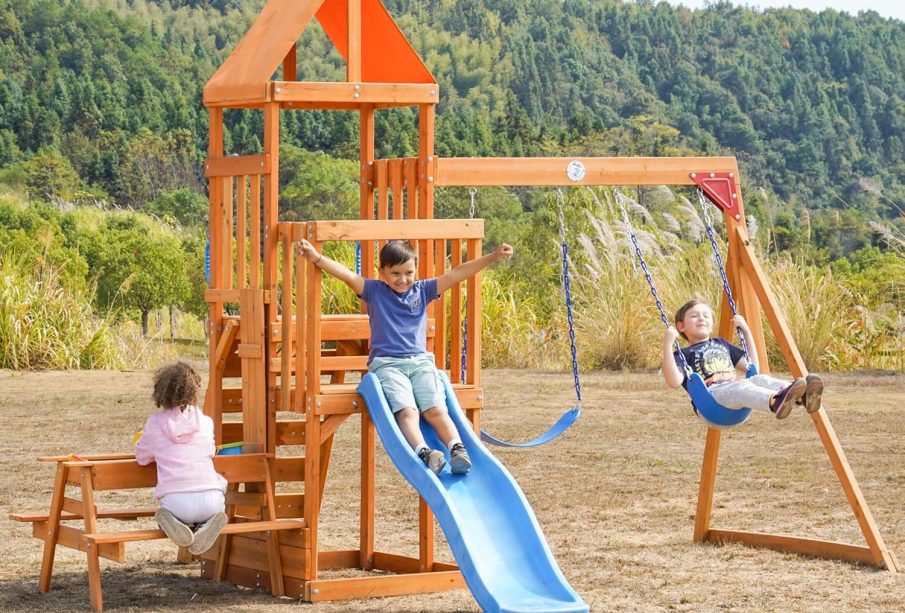
Children are naturally drawn to movement. Whether running across a yard, climbing a small structure or inventing a game with friends, their bodies instinctively seek activities that build strength, balance, and coordination. As modern lifestyles shift toward more indoor time, parents are rediscovering the importance of creating outdoor spaces that encourage active play and physical exploration.
A movement focused play area does more than give children something to do. It helps them develop key motor skills, supports emotional growth and stimulates creativity. These benefits make outdoor play one of the most important parts of early childhood development.
The Need for Active Play in Childhood
Physical activity helps children develop coordination, muscle strength and spatial awareness. When kids jump, swing, climb या balance, they engage multiple muscle groups at once. These movements support healthy bone growth, improve posture and enhance flexibility.
Active play also helps children understand how their bodies work. They learn how to adjust their balance, how to coordinate their arms and legs and how to judge distance and speed. These are skills that stay with them for life.
How Outdoor Play Spaces Encourage Healthy Habits
When children have access to outdoor play areas, they are more likely to stay active without being told. The environment itself encourages movement in a natural way. Grass, pathways, small obstacles and play equipment all invite exploration.
Parents often notice that children become more independent when they play outdoors. They experiment, take small safe risks and learn to solve problems without adult direction. These experiences contribute to confidence and resilience.
Choosing the Right Types of Equipment
Not all equipment is equally engaging. Children prefer items that offer freedom of movement and multiple ways to interact. These pieces tend to hold their attention longer and support a wider range of developmental needs.
Some of the most effective options include:
- Small climbing structures
- Low height platforms
- Balance beams
- Rope elements
- Simple sliding modules
- Multi use bar systems
- Traditional motion based play items
Within this category, many families naturally look at Swing sets when planning a backyard setup. Swinging is an intuitive motion that appeals to both younger and older children, and it offers a calming yet physically stimulating experience that fits well into nearly any outdoor space.
The Benefits of Motion Based Play
Motion based activities provide unique developmental advantages. When children swing, they learn rhythm and timing. When they climb, they strengthen their upper body and improve grip. When they balance on narrow surfaces, they train their core stability.
These movements also stimulate the inner ear, which plays a key role in balance and spatial awareness. Children who participate in regular motion based play are often more coordinated and confident in everyday physical tasks.
Social Interaction and Outdoor Play
Backyard play spaces also support social development. When children share equipment, take turns or invent group games, they practice communication and cooperation. They learn how to negotiate rules, manage disagreements and include others.
Outdoor environments give children more space to express themselves freely and creatively. This helps them build friendships and develop emotional intelligence.
Designing a Versatile Backyard Layout
A well planned outdoor play space does not need to be large. Even a small area can become engaging if designed thoughtfully. Parents often focus on:
- Creating distinct zones for running, climbing and quiet play
- Choosing equipment that fits the available space
- Leaving open areas for imaginative games
- Adding natural elements like sand, stones or plants
- Ensuring comfortable seating areas for supervision
The goal is to offer variety without overcrowding the yard.
Safety Considerations for Long Term Use
Safety is part of every good play design. Parents typically check:
- Whether the equipment is stable
- That there is adequate clearance around moving parts
- That ground surfaces are soft and child friendly
- That materials are durable and weather resistant
- That all bolts and fasteners remain tight over time
With proper care, outdoor play spaces become reliable parts of daily life.
Encouraging Children to Enjoy the Outdoors
Children naturally enjoy being outdoors when the environment supports curiosity and movement. A thoughtfully arranged play space invites them to explore, climb, swing or invent stories. These activities help them stay physically strong and mentally balanced.
Parents often find that consistent outdoor play leads to better sleep, higher energy levels and improved behaviour. Movement helps children release stress, express emotions and build self confidence.
Final Thoughts
A dedicated outdoor play area is one of the most valuable spaces a family can create. It encourages movement, creativity and social interaction while offering a healthy alternative to long indoor hours. With the right mix of equipment and open space, children gain opportunities to grow, imagine and develop essential life skills in a safe and enjoyable environment.