
How Performance Eyewear Changed the Way We See Sport
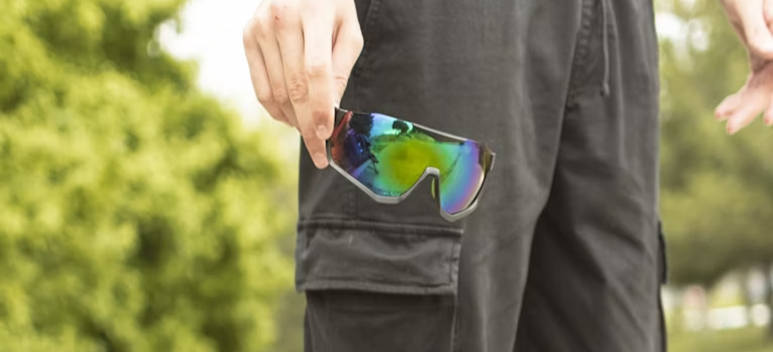
Sports have always been shaped by innovation. From lighter running shoes to aerodynamic cycling helmets, the tools athletes use have a direct impact on performance. Yet one area often overlooked is eyewear. What started as a purely protective item has evolved into a sophisticated piece of sporting equipment, blending science, style, and functionality. Performance eyewear hasn’t just changed how athletes protect their vision—it has transformed the way they compete.
The early days of sports eyewear
For much of the 20th century, eyewear in sport was basic. Sunglasses offered little more than UV protection, often slipping or fogging at critical moments. Professional athletes were reluctant to wear them, fearing they would hinder rather than help. The idea that eyewear could enhance performance, not simply shield against the sun, hadn’t yet taken hold.
That began to change in the late 1970s and early 1980s, when sports brands started to experiment with materials and lens technologies. Lightweight frames, wraparound designs, and lenses tailored to specific light conditions gradually became more common. Athletes realised that their vision was as important as their footwear or kit—an insight that sparked a revolution in performance eyewear.
A scientific approach to vision
Vision in sport is about more than clarity. Athletes need to read the environment quickly: a tennis ball spinning at speed, a wave building on the horizon, or the changing surface of a mountain trail. Performance eyewear companies began investing in lens technologies that could sharpen contrast, reduce glare, and enhance colour definition.
These advances meant that athletes could react faster and more accurately. A cyclist, for instance, could better spot potholes on the road. A cricketer could pick up the seam of the ball earlier. A skier could distinguish subtle shifts in snow texture. What might seem like marginal gains to an amateur could be the difference between winning and losing at an elite level.
For people who need vision correction, standard sports frames are not always enough. Many active individuals require specialized prescription lenses that protect their eyes from impact and keep their vision clear. Specialized optical labs now build these custom lenses directly into durable, impact-resistant frames. Online providers like https://rx-safety.com/ make it simple to customize safety and sports glasses with specific prescriptions. This means athletes do not have to choose between clear vision and physical safety on the field.
Oakley and the rise of sports-specific eyewear
Among the brands leading this movement was Oakley. Founded in California, the company recognised that eyewear could be engineered like any other piece of sporting equipment. Their early designs broke from the fashion-focused frames of the time, using wraparound shapes that hugged the face and stayed firmly in place under pressure.
The release of Oakley glasses with interchangeable lenses was a turning point. Athletes could adapt their eyewear to different conditions: dark lenses for bright sunlight, clear lenses for overcast days, and tinted options that enhanced contrast. This flexibility meant eyewear was no longer a static accessory but a versatile tool. Oakley’s innovations helped establish performance eyewear as essential kit across cycling, athletics, skiing, and beyond.
From elite athletes to everyday use
As often happens, what started with professionals soon filtered down to the public. Amateur cyclists, runners, and even casual walkers began adopting sports eyewear, attracted not only by the practical benefits but also by the association with high-performance athletes.
Today, the influence of performance eyewear extends beyond sport. City commuters wear lightweight, durable glasses designed with the same principles as those used in elite competition. Festival-goers and outdoor adventurers choose models with polarised lenses originally developed for fishing and watersports. The line between sports gear and lifestyle accessory has blurred, with brands like Oakley leading the charge.
The role of design and culture
Performance eyewear is not purely about function; design and culture have also played a role. High-profile athletes wearing distinctive eyewear on global stages turned glasses into style statements. Think of cyclists in the Tour de France, cricketers at the crease, or sprinters under stadium lights—all with instantly recognisable eyewear.
The bold, futuristic shapes popularised by Oakley in the 1990s, for instance, became cultural icons in their own right. Even outside sport, they were adopted in music videos, films, and streetwear. This crossover cemented the idea that technical eyewear could be fashionable as well as functional.
Technology driving the future
Performance eyewear continues to evolve. Modern lenses offer advanced coatings to repel water, resist scratches, and reduce fogging. Lightweight polymers make frames stronger yet more comfortable. Some companies are even experimenting with smart lenses that can adjust tint automatically or display real-time data.
For athletes, the potential is enormous. Imagine glasses that shift shade instantly as you move from sun to shade, or lenses that highlight hazards on a trail. For the wider public, these technologies could make everyday eyewear smarter, more adaptive, and more integrated into digital lifestyles.
Why it matters
Sport is as much about preparation as talent. Athletes fine-tune every element of their equipment, and vision is central to performance. Clear, accurate sight affects reaction times, confidence, and safety. Performance eyewear ensures athletes can focus on their game without distraction.
For everyday users, the benefits are no less important. Whether cycling to work or running on a weekend, good eyewear reduces eye strain, improves safety, and enhances enjoyment. The rise of sports-inspired glasses reflects a growing awareness that looking after our vision is as essential as choosing the right shoes or clothing.
Performance eyewear has come a long way from the simple sunglasses of the past. It has reshaped sport by turning vision into a tool for performance, not just protection. From elite athletes chasing fractions of a second to ordinary people seeking clarity and comfort outdoors, the impact is clear. Brands like Oakley glasses have shown how science, design, and culture can come together to change not only how we see, but how we perform.