Reformer Pilates as a Load-Management System for Adults with High Training Volume
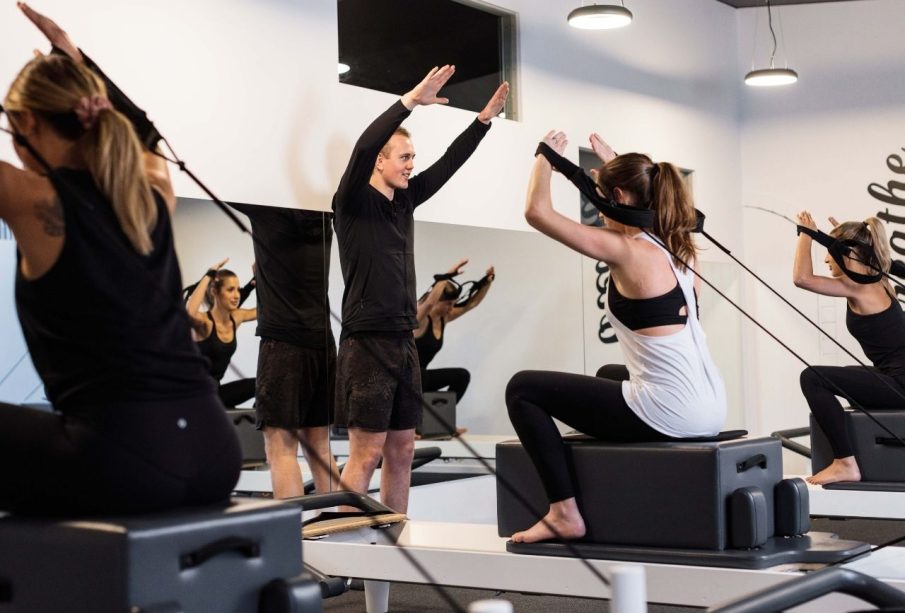
Modern adults are no longer limited to a single form of exercise. Many people in Singapore balance gym workouts, running, yoga, cycling, sports, and long work hours within the same week. While staying active is positive, stacking multiple physical demands often leads to fatigue accumulation, performance plateaus, and recurring discomfort. This is where pilates reformer training offers a strategic advantage that goes beyond flexibility or core work.
Rather than acting as just another workout, reformer Pilates functions as a load-management system. It helps the body absorb, distribute, and recover from repeated physical stress while maintaining movement quality.
Understanding Training Load Beyond Intensity
Training load is not just about how heavy you lift or how fast you run. It is the combined stress placed on muscles, joints, connective tissue, and the nervous system across all activities. Many active adults unknowingly overload specific movement patterns, especially hip flexion, spinal compression, and shoulder rotation.
High training volume without intelligent regulation often leads to:
-
Persistent tightness despite regular stretching
-
Reduced coordination during workouts
-
Joint irritation without a clear injury
-
Feeling strong but unstable
-
Difficulty recovering between sessions
Reformer Pilates addresses these issues by introducing controlled resistance, tempo awareness, and balanced movement patterns that counteract repetitive stress.
Why Spring Resistance Changes Load Distribution
Unlike free weights or machines that rely on gravity, reformer Pilates uses spring resistance that changes throughout the movement. This variable resistance reduces joint compression at vulnerable points while still demanding muscular control.
Key advantages of spring-based resistance include:
-
Less peak load at joint end ranges
-
Continuous engagement without momentum
-
Balanced activation of stabilising muscles
-
Reduced reliance on dominant muscle groups
For individuals who already train frequently, this allows strength and control to be developed without adding unnecessary mechanical stress.
Reformer Pilates as Active Recovery for High Performers
Rest days do not always mean complete inactivity. For many adults, especially those with demanding schedules, complete rest can lead to stiffness and loss of movement quality. Reformer Pilates provides structured active recovery that supports circulation, neuromuscular coordination, and tissue hydration.
When used strategically, reformer sessions help:
-
Restore movement efficiency after intense workouts
-
Reduce muscular guarding and overactivation
-
Improve breathing mechanics under controlled effort
-
Maintain strength without taxing the nervous system
This makes it particularly effective for runners, strength trainers, yoga practitioners, and recreational athletes who want to stay consistent without burnout.
Managing Nervous System Fatigue Through Controlled Movement
One of the most overlooked aspects of high training volume is nervous system fatigue. When workouts are fast, explosive, or mentally demanding, the nervous system stays in a heightened state. Over time, this reduces coordination, reaction time, and motor control.
Reformer Pilates slows movement down deliberately. This encourages precision and awareness, allowing the nervous system to recalibrate.
Controlled reformer training supports:
-
Improved movement timing
-
Better joint positioning awareness
-
Reduced unnecessary muscle tension
-
Enhanced coordination across multiple joints
This makes it easier to return to higher intensity training with improved efficiency rather than compensatory patterns.
Correcting Overuse Patterns Without Stopping Training
Many active adults are told to stop training when discomfort appears. However, stopping completely often leads to loss of conditioning and frustration. Reformer Pilates offers a corrective pathway that allows continued movement while addressing underlying imbalances.
Common overuse patterns addressed through reformer work include:
-
Hip dominance from running or cycling
-
Shoulder overuse from gym pressing movements
-
Spinal compression from prolonged sitting
-
Imbalanced core engagement from unilateral sports
By reinforcing balanced muscle recruitment, reformer Pilates reduces strain without requiring full training withdrawal.
Load Awareness and Movement Precision
High-volume training often prioritises output over awareness. Reformer Pilates reverses this focus by emphasising quality over quantity. Each movement requires attention to alignment, breath, and resistance control.
This improves:
-
Movement efficiency across all activities
-
Body awareness during complex exercises
-
Stability under changing loads
-
Reduced risk of technique breakdown during fatigue
Over time, this awareness carries into other forms of exercise, improving overall performance and longevity.
Integrating Reformer Pilates Into a Busy Training Schedule
Reformer Pilates does not need to replace existing workouts. Instead, it acts as a stabilising pillar within a broader training routine.
Effective integration strategies include:
-
Using reformer sessions on lighter training days
-
Scheduling reformer work after high-impact workouts
-
Alternating reformer Pilates with strength training weeks
-
Using reformer sessions during deload periods
This flexible integration makes it practical for professionals managing both fitness and work demands.
Supporting Long-Term Training Sustainability
The goal of fitness is not short-term intensity but long-term sustainability. Reformer Pilates supports this by reinforcing joint health, movement efficiency, and nervous system balance.
Many practitioners find that consistent reformer training leads to:
-
Fewer recurring aches
-
Improved performance consistency
-
Faster recovery between sessions
-
Greater confidence in movement
Studios such as Yoga Edition structure reformer Pilates sessions with this long-term perspective in mind, ensuring that movement quality remains central regardless of training background.
Reformer Pilates for Multi-Sport Individuals
Individuals who practise more than one sport often experience conflicting physical demands. Reformer Pilates provides a neutral training environment where movement patterns can be reset and refined.
It helps multi-sport participants by:
-
Rebalancing asymmetrical loading
-
Supporting joint integrity across varied movements
-
Improving coordination between different muscle systems
-
Reducing cumulative stress without compromising conditioning
This makes it especially valuable for adults who enjoy variety in their fitness routine.
Real-Life FAQs
Q: Can reformer Pilates help even if I already train five to six times a week?
A: Yes. Reformer Pilates is particularly beneficial for high-frequency trainers because it focuses on load management, recovery, and movement efficiency rather than adding more intensity.
Q: Will reformer Pilates make my other workouts feel easier?
A: Many people notice improved control, better balance, and smoother movement transitions, which can reduce perceived effort during other forms of exercise.
Q: Is reformer Pilates suitable during weeks when I feel physically drained?
A: It is often ideal during such periods because it maintains strength and coordination without overwhelming the body, supporting recovery rather than exhaustion.
Q: How often should reformer Pilates be included alongside other training?
A: One to three sessions per week is common, depending on overall training volume and recovery capacity.
Q: Can reformer Pilates replace stretching or mobility sessions?
A: It often complements or even replaces traditional stretching by improving mobility through controlled, active movement rather than passive flexibility alone.