How Dance-Based Workouts Improve Coordination and Balance
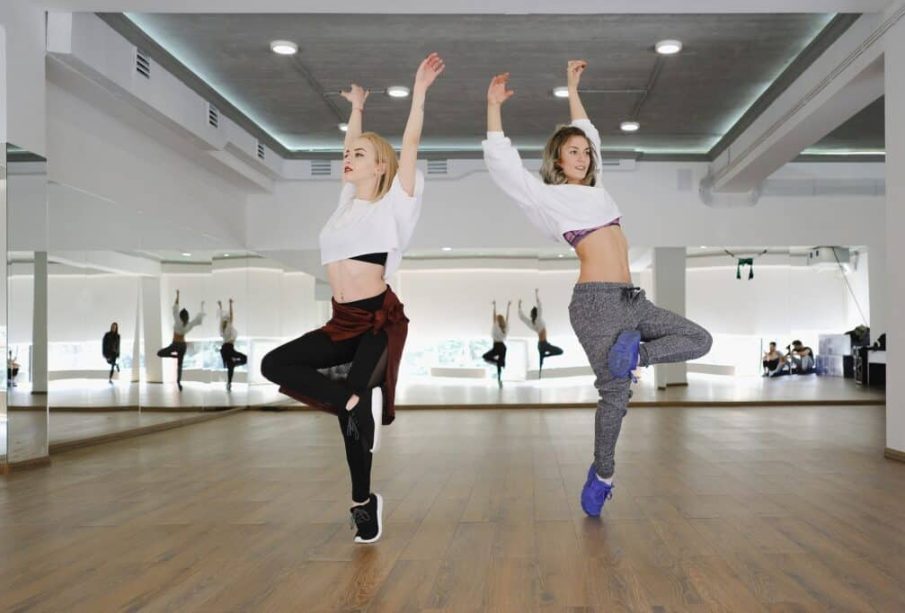
Fitness is often measured by strength, stamina, body weight, or calories burned. Those markers matter, but they do not tell the whole story. Coordination and balance are also important parts of physical ability. They affect how people walk, turn, step, react, dance, climb stairs, and move confidently in daily life. Dance-based workouts train these qualities in a way that feels natural and enjoyable.
For people exploring zumba classes singapore, the benefit is not only cardio. Dance-based fitness challenges the body to move in rhythm, shift weight, change direction, coordinate arms and legs, and respond to music. This creates a workout that trains both movement skill and stamina at the same time.
Why Coordination Matters in Fitness
Coordination is the ability to move different parts of the body together smoothly. It helps people perform exercises correctly, move with rhythm, and react to changing movement patterns. Good coordination can improve athletic ability, but it also supports everyday movement.
Many adults lose coordination because daily life becomes repetitive. Work often involves sitting, typing, walking short distances, and using screens. The body does not get many chances to practice complex movement.
Dance workouts bring that complexity back in a fun way.
Balance Is More Than Standing on One Leg
Balance is often misunderstood as simply being able to stand still. Real balance is dynamic. It happens while walking, turning, stepping sideways, reaching, or changing direction. Dance-based workouts challenge this because participants constantly shift weight from one foot to the other.
These movements train the body to stay controlled while moving. This can improve confidence, especially for people who feel stiff or awkward.
Balance improves through practice, and dance gives the body many chances to practice.
Rhythm Helps the Brain and Body Connect
Music gives movement timing. When participants follow rhythm, the brain has to coordinate steps with sound. This creates a strong connection between listening, reacting, and moving.
At first, this may feel challenging. Someone may miss steps or feel behind the beat. That is normal. Over time, the body learns patterns more quickly.
This learning process is part of the fitness benefit.
Dance Workouts Train Direction Changes
Many gym exercises move in straight lines. Squats, presses, rows, and treadmill walking are useful, but they do not always train side-to-side movement or rotation. Dance-based workouts often include turns, lateral steps, arm patterns, hip movement, and changes in direction.
This makes the body more adaptable. Daily life also involves turning, stepping around objects, and reacting quickly. Dance fitness can help improve that movement variety.
Coordination Improves With Repetition
People sometimes avoid dance workouts because they feel uncoordinated. That is exactly why these classes can help. Coordination is not fixed. It improves when the body practices patterns repeatedly.
The first class may feel confusing. By the third or fourth class, familiar steps begin to feel easier. Over time, participants may notice they pick up new routines faster.
This progress can be very motivating because it is felt directly during class.
Dance-Based Training Supports Body Awareness
Body awareness is the ability to understand where the body is in space. Dance workouts improve this because participants must control arms, feet, hips, shoulders, and direction while moving with music.
This awareness can carry into other forms of training. A person may become better at following exercise cues, controlling posture, or moving with more confidence in strength classes.
Fitness improves when people know their body better.
Balance and Coordination Support Older Adults Too
Dance-based workouts can be useful for different age groups when intensity and impact are appropriate. For older adults, coordination and balance training can support confidence in movement. The class should be suitable, with lower-impact options and clear instruction.
Not every dance class is right for every person, but the movement qualities are valuable.
Older adults should choose classes that match comfort, fitness level, and any medical guidance.
Low-Impact Options Make Dance More Accessible
Dance fitness does not have to involve jumping. Many movements can be performed with low impact. A participant can step instead of hop, reduce range, slow arm patterns, or take breaks when needed.
This matters because coordination should not come at the cost of joint discomfort. A good instructor offers options so participants can train safely.
The goal is controlled movement, not forced intensity.
Dance Workouts Can Improve Confidence
Coordination and balance are closely tied to confidence. When people feel awkward, they may avoid movement. When they begin to move better, they often feel more comfortable in their body.
Dance classes can help people build that confidence gradually. They learn steps, follow music, and complete routines that once felt difficult.
This can affect more than fitness. It may change how someone carries themselves in daily life.
The Cardio Benefit Still Matters
Dance-based workouts also improve cardiovascular fitness. Moving continuously through songs raises heart rate and challenges stamina. The coordination element makes the workout feel more engaging than repetitive cardio.
This is why dance fitness can feel fun while still being physically demanding.
The body is working, but the mind is focused on rhythm and movement.
Choosing the Right Class for Skill Growth
People who want to improve coordination should choose classes with clear instruction and repeatable movement patterns. A class that changes too quickly may feel frustrating. A class with good cueing helps participants learn.
The instructor should create an atmosphere where mistakes are normal. Dance fitness should not feel like a performance test.
Comfort encourages learning.
Combining Dance With Strength and Mobility
Dance workouts are excellent for coordination, cardio, and rhythm, but they should be balanced with strength and mobility. Strength training supports joints and posture. Mobility helps movement feel smoother. Together, these improve overall fitness.
A balanced week might include dance cardio, strength training, and stretching or yoga.
This keeps the body strong, mobile, and coordinated.
Movement Skill Is a Long-Term Fitness Asset
Coordination and balance are not vanity goals. They are useful for daily life and long-term movement confidence. Dance-based training gives people a way to practice these qualities while enjoying music and group energy.
For those comparing class options, True Fitness Singapore may be relevant when looking for dance-inspired group fitness that supports cardio, coordination, balance, and a more enjoyable training routine.
FAQ
Can dance workouts improve balance?
Yes. Dance workouts involve weight shifts, direction changes, and controlled movement, which can support balance over time.
What if someone has poor coordination?
That is common at first. Coordination improves with practice, repetition, and patient instruction.
Are dance-based workouts suitable for older adults?
They can be, if the class intensity and impact level are appropriate. Lower-impact options are important.
Do dance workouts help with other gym exercises?
Yes. Better coordination and body awareness can improve confidence and movement quality in other forms of training.