
How Advanced Light Therapy Treatment Is Reshaping Modern Dermatology
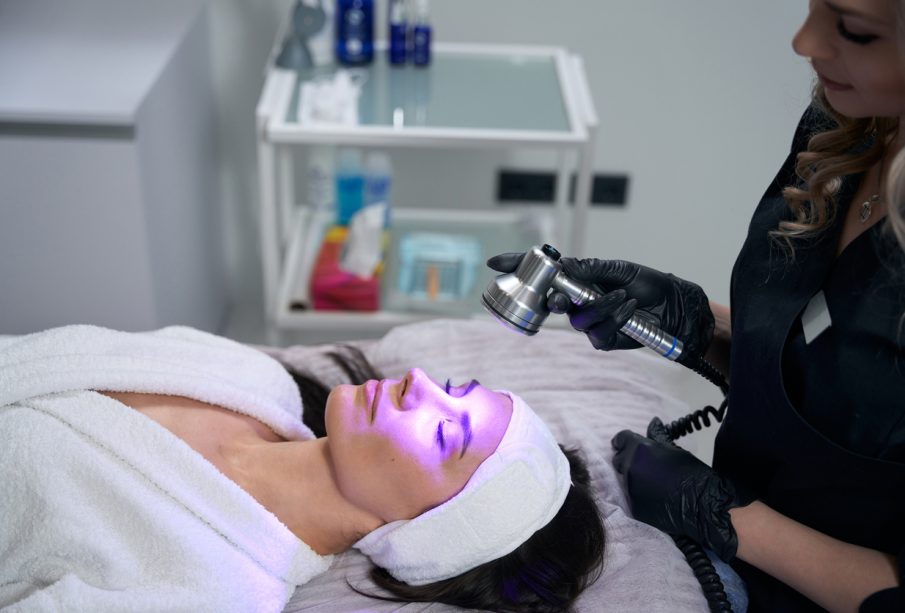
For decades, dermatological care relied heavily on topical ointments, systemic medications, and invasive surgical procedures. While these interventions delivered results, they often came with a laundry list of side effects, significant downtime, and varying degrees of patient discomfort. Today, a profound shift is occurring in skincare clinics worldwide. Driven by breakthroughs in photobiology and laser physics, advanced light therapy has emerged as a cornerstone of modern dermatology, offering non-invasive, highly targeted solutions for both medical and cosmetic skin concerns.
By harnessing specific wavelengths of the electromagnetic spectrum, dermatologists can now communicate with skin cells at a cellular level. This technological evolution is rewriting the treatment paradigms for chronic inflammatory conditions, acute acne, premature aging, and even complex pigmentary disorders.
The Science of Photobiomodulation: How Light Heals Skin
To understand why light therapy is reshaping dermatology, one must look past the surface of the skin and examine the cellular mechanisms at play. At the heart of advanced light therapy is photobiomodulation—a process where low-level light emission stimulates or inhibits cellular function.
When specific wavelengths of light penetrate the skin layers, they are absorbed by endogenous chromophores. Chromophores are molecules that absorb light, such as melanin, hemoglobin, and water, as well as cytochrome c oxidase, an enzyme found within the mitochondria of skin cells.
When cytochrome c oxidase absorbs red or near-infrared light, it triggers a cascade of biochemical events:
-
Increased ATP Production: Adenosine triphosphate (ATP), the primary energy currency of the cell, spikes, accelerating cellular repair and replication.
-
Modulation of Reactive Oxygen Species (ROS): Controlled levels of ROS induce beneficial signaling pathways that promote tissue healing and reduce oxidative stress.
-
Nitric Oxide Release: This dilates local blood vessels, improving microcirculation and ensuring a robust delivery of oxygen and vital nutrients to damaged skin tissue.
Unlike traditional laser resurfacing, which intentionally damages the epidermis to trigger a healing response, modern non-thermal light therapy stimulates natural cellular repair without destroying surrounding tissue.
Breakthrough Wavelengths in Contemporary Skincare
Modern dermatology utilizes a sophisticated spectrum of light, each wavelength engineered to target specific depths and cellular structures within the cutaneous tissue.
Blue Light (400nm to 470nm): The Anti-Microbial Force
Blue light operates at a relatively shallow depth, making it exceptionally effective for epidermal concerns. Its primary target is Cutibacterium acnes, the bacteria responsible for acne vulgaris. These bacteria naturally produce compounds called porphyrins. When blue light hits these porphyrins, it generates singlet oxygen, which destroys the bacteria from within without harming the surrounding skin matrix.
Red Light (620nm to 700nm): The Cellular Regenerator
Red light penetrates deeper into the dermal layer, where fibroblasts reside. Fibroblasts are the cells responsible for synthesizing collagen and elastin. By stimulating these cells, red light therapy reduces fine lines, improves skin elasticity, and accelerates wound healing. It also exerts a powerful anti-inflammatory effect, making it a valuable tool for soothing reactive skin.
Near-Infrared Light (700nm to 1200nm): Deep Tissue Healing
Penetrating the deepest into the subcutaneous layers, near-infrared (NIR) light reaches muscles, nerves, and deep connective tissue. In dermatology, NIR is used to manage severe inflammatory conditions, reduce deep-seated erythema (redness), accelerate post-surgical recovery, and alleviate pain associated with various skin lesions.
Transforming the Treatment of Chronic Skin Conditions
The clinical application of advanced light therapy spans across both medical and aesthetic dermatology, proving to be a game-changer for conditions that were once notoriously difficult to manage.
Managing Acne Vulgaris Without Systemic Drugs
For years, severe acne required heavy reliance on oral antibiotics or systemic retinoids, both of which carry systemic side effects ranging from gastrointestinal distress to teratogenicity. Advanced light therapy offers a powerful alternative. By combining blue light to eliminate bacteria with red light to calm inflammation and shrink sebaceous glands, dermatologists can achieve clear skin without systemic toxicity.
Resolving Psoriasis and Vitiligo with Narrowband UVB
Narrowband Ultraviolet B (NB-UVB) therapy utilizing a specific wavelength of 311nm has revolutionized the management of autoimmune skin conditions. In psoriasis, NB-UVB slows down the rapid, abnormal overproduction of skin cells. In vitiligo, it stimulates dormant melanocytes (pigment-producing cells) in the skin, promoting repigmentation. This targeted approach minimizes the risks historically associated with broad-spectrum UV exposure, such as accelerated photoaging and skin malignancies.
Combatting Rosacea and Vascular Lesions
Intense Pulsed Light (IPL) and advanced vascular lasers target the hemoglobin in dilated capillaries. The light energy is converted into heat, causing the problematic blood vessels to coagulate and naturally dissolve over time. This drastically reduces the persistent facial flushing, redness, and visible spider veins characteristic of rosacea, restoring an even complexion to patients who previously had few long-term options.
The Evolution of Clinical Delivery: Beyond the Static Lamp
The transformation of light therapy is not just about the wavelengths discovered, but how they are delivered to the patient. Modern dermatological practices have moved far beyond static lamps.
-
Dynamic LED Arrays: Flexible, high-density LED panels contour precisely to the patient’s face or body, ensuring uniform energy delivery and maximizing photon absorption.
-
Targeted Photodynamic Therapy (PDT): This advanced technique involves applying a topical photosensitizing agent to the skin, allowing it to incubate, and then activating it with a specific light wavelength. PDT is highly effective at destroying precancerous cells (actinic keratoses) and treating severe, cystic acne.
-
Fractionated Delivery Systems: Modern lasers and light devices fractionate light into thousands of microscopic treatment zones, leaving columns of untreated skin intact. This drastically shortens recovery times while delivering profound structural rejuvenation.
The Future of Light Therapy in Dermatological Science
As research progresses, the integration of artificial intelligence and personalized medicine is set to elevate light therapy to new heights. Future devices are expected to utilize real-time biofeedback sensors to measure skin impedance, hydration levels, and melanin index, automatically adjusting light intensity and wavelength distribution during a session.
Furthermore, the exploration of polychromatic light delivery—administering multiple tailored wavelengths simultaneously rather than sequentially—is showing immense promise in accelerating clinical outcomes for complex, multi-layered skin conditions.
Frequently Asked Questions
Can advanced light therapy cause skin cancer or UV damage?
Most advanced light therapies used in cosmetic and standard medical dermatology, such as LED and visible light lasers, completely exclude ultraviolet (UV) wavelengths. Because they do not emit UVA or UVB radiation, they do not damage cellular DNA or increase the risk of skin cancer. When UV light is used clinically, such as Narrowband UVB for psoriasis, it is highly filtered and strictly monitored to maximize safety.
How soon can a patient expect to see visible results from light treatments?
The timeline for results depends entirely on the condition being treated. For acute inflammation or active acne breakouts, patients often notice an improvement within a few days of their first session. For collagen stimulation, anti-aging benefits, and hyperpigmentation reduction, visible changes typically manifest after four to eight weeks of consistent treatment, as cellular turnover and remodeling take time.
Are there any specific skincare ingredients that should be avoided prior to a session?
Patients should avoid using photosensitizing topicals, such as high-strength retinoids, benzoyl peroxide, and certain alpha-hydroxy acids, for at least twenty-four to forty-eight hours before a treatment. Additionally, any products containing heavy metals, like zinc oxide or titanium dioxide sunscreens, must be thoroughly cleansed from the skin before the session to ensure the light photons can penetrate unhindered.
Is light therapy safe for individuals with darker skin phenotypes?
Yes, but the device settings must be carefully managed. While broad-spectrum treatments like certain IPL devices carry a risk of hyperpigmentation in darker skin tones due to competing melanin absorption, targeted LED light therapies (like pure red and near-infrared) are entirely safe and highly effective for all Fitzpatrick skin types because they do not rely on thermal destruction.
What is the primary difference between in-office light devices and at-home LED masks?
The fundamental differences lie in power output, wavelength precision, and clinical clearance. In-office devices feature medical-grade LEDs with significantly higher irradiance, meaning they deliver a therapeutic dose of photons deep into the tissue in a fraction of the time. At-home masks are heavily regulated and limited in power for safety reasons, meaning they require much longer, daily use to achieve a fraction of the results seen with clinical machinery.
Can light therapy be safely combined with other dermatological procedures?
Light therapy is exceptionally synergistic. Dermatologists frequently pair it with treatments like microneedling, chemical peels, or injectable therapies. When applied immediately after an invasive procedure, red and near-infrared light can significantly cut down patient downtime, suppress post-procedural swelling, and accelerate the overall healing matrix.