
How to Successfully Detox at Home: Methods and Considerations for Safe Recovery
Detoxifying from drugs at home is an option that many individuals consider when seeking to regain control of their lives and break free from addiction. While the process can be both challenging and rewarding, it is important to approach it with careful planning and understanding of the risks involved. This guide offers practical methods, considerations, and tips to ensure a safe and effective at-home detox experience.
Understanding the Basics of Drug Detoxification
Drug detoxification is the body’s natural process of eliminating toxic substances accumulated from drug use. When an individual stops using a substance they are dependent on, the body begins to purge the chemicals associated with that drug. This process can lead to withdrawal symptoms, which may range from mild to severe, depending on factors such as the substance used, the duration of use, and the individual’s overall health.
At-home detox typically involves discontinuing drug use and allowing the body to naturally eliminate the substance. The goal of detoxification is to help the body achieve a balanced state while reducing the impact of withdrawal symptoms. However, detoxing at home is not always recommended for all types of drug dependencies, especially those involving substances like alcohol or benzodiazepines, which can have severe withdrawal effects.
While medical supervision is often preferred for certain drug detox processes, many individuals opt for at-home detox to avoid the discomfort of inpatient treatment or for reasons of privacy and comfort. Understanding the risks and planning accordingly is crucial to making this a successful process.
Preparing for At-Home Drug Detox
Before starting the detox process, preparation is essential for ensuring safety and a smoother recovery. The first step is assessing whether at-home detox is suitable based on the drug(s) being detoxed from and your personal health status. Some drugs, such as opioids, alcohol, and certain prescription medications, can result in dangerous withdrawal symptoms that require professional monitoring. In these cases, seeking medical assistance is strongly advised.
For those detoxing from substances with less severe withdrawal symptoms, preparing your home environment is key. Create a calm, safe, and comfortable space that will allow you to rest
and recuperate. This can include ensuring access to hydration, nutritious food, and a quiet area where you can focus on healing.
It is also important to mentally prepare for the challenges of detox. Withdrawal symptoms, including irritability, fatigue, and anxiety, can be overwhelming, and emotional support from friends, family, or support groups can play a crucial role in maintaining motivation and comfort during this time.
Methods to Support At-Home Drug Detox
When detoxing from home, there are several methods that can help ease the process and support your body’s natural detoxification efforts. These methods can help reduce withdrawal symptoms and promote faster recovery.
One of the most important factors in at-home detox is staying hydrated. Drinking plenty of water helps flush toxins from the body and keeps the body’s systems functioning smoothly. You may also consider drinking herbal teas, such as peppermint or chamomile, to soothe the stomach and promote relaxation.
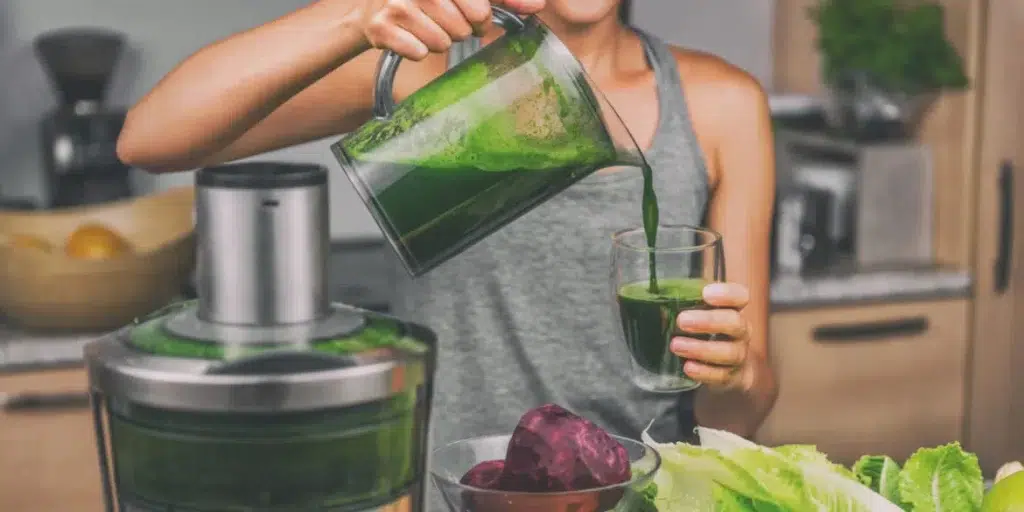
A balanced diet that is rich in vitamins and minerals is also essential. Fresh fruits, vegetables, and lean proteins will replenish nutrients lost during drug use and provide your body with the energy it needs to heal. Avoiding processed foods and sugars can reduce inflammation and help your body focus on detoxification.
Exercise is another key factor in facilitating detoxification. Engaging in light, non-strenuous exercise such as walking, stretching, or yoga can boost circulation and promote the elimination of toxins. However, it is important to listen to your body and avoid overexertion, as detoxification can leave you feeling fatigued.
Supplementing your diet with vitamins and minerals, such as vitamin C, magnesium, and B vitamins, can also support your body during detox. These supplements help replenish the nutrients needed for optimal functioning, especially during the stress of withdrawal. However, it is always advisable to consult with a healthcare provider before adding any supplements to ensure they are safe for your specific needs.
Recognizing Risks and Knowing When to Seek Professional Help
While detoxing at home can be effective for some, it is crucial to recognize the potential risks involved. Withdrawal symptoms can vary in severity depending on the substance used and the individual’s health, and some individuals may experience life-threatening symptoms. If any of the following occur during at-home detox, immediate medical attention should be sought:
- Severe agitation or confusion
- Chest pain, rapid heartbeat, or difficulty breathing
- Loss of consciousness or fainting
- Seizures or tremors
- Persistent vomiting or inability to stay hydrated
- High fever or chills
These symptoms can indicate a serious medical issue and should not be ignored. In cases like these, it is important to seek medical help right away. Many detoxification centers offer medical monitoring that can prevent complications and ensure a safe detox process.
Additionally, if withdrawal symptoms become overwhelming or persist for an extended period, seeking professional assistance may be necessary. Medical detox services, including medication-assisted detox, can help manage severe withdrawal symptoms and provide relief while ensuring a safer recovery process.
Long-Term Recovery After At-Home Detox
Successfully completing an at-home detox is only the beginning of the recovery journey. Once the body has cleared the toxins, it is essential to have a plan for long-term sobriety. Detox alone does not address the underlying causes of addiction, and without proper aftercare, relapse can be a significant risk.
Outpatient treatment programs, therapy, and support groups are essential components of a comprehensive recovery plan. Behavioral therapies such as cognitive-behavioral therapy (CBT) can help individuals identify triggers and develop coping mechanisms to prevent relapse.
Additionally, joining a support group, either in-person or online, provides an opportunity to connect with others who understand the struggles of addiction and recovery.
Maintaining a healthy lifestyle through regular exercise, proper nutrition, and stress management techniques will also support long-term recovery. Consistently following a wellness plan and avoiding situations that trigger cravings are essential to maintaining sobriety.
Recovery is a lifelong process, and ongoing support is necessary to ensure that individuals stay on track. While at-home detox can be an effective starting point, continuing care is crucial for a successful and lasting recovery.